Supplements
How to write the Cornell college-specific essay
How to read the prompt for your Cornell undergraduate college and explain both what you want to study there and what you would contribute to that college.
SourceBased on what we at the Bureau learned from a former Cornell admissions officer and Cornell's own colleges.
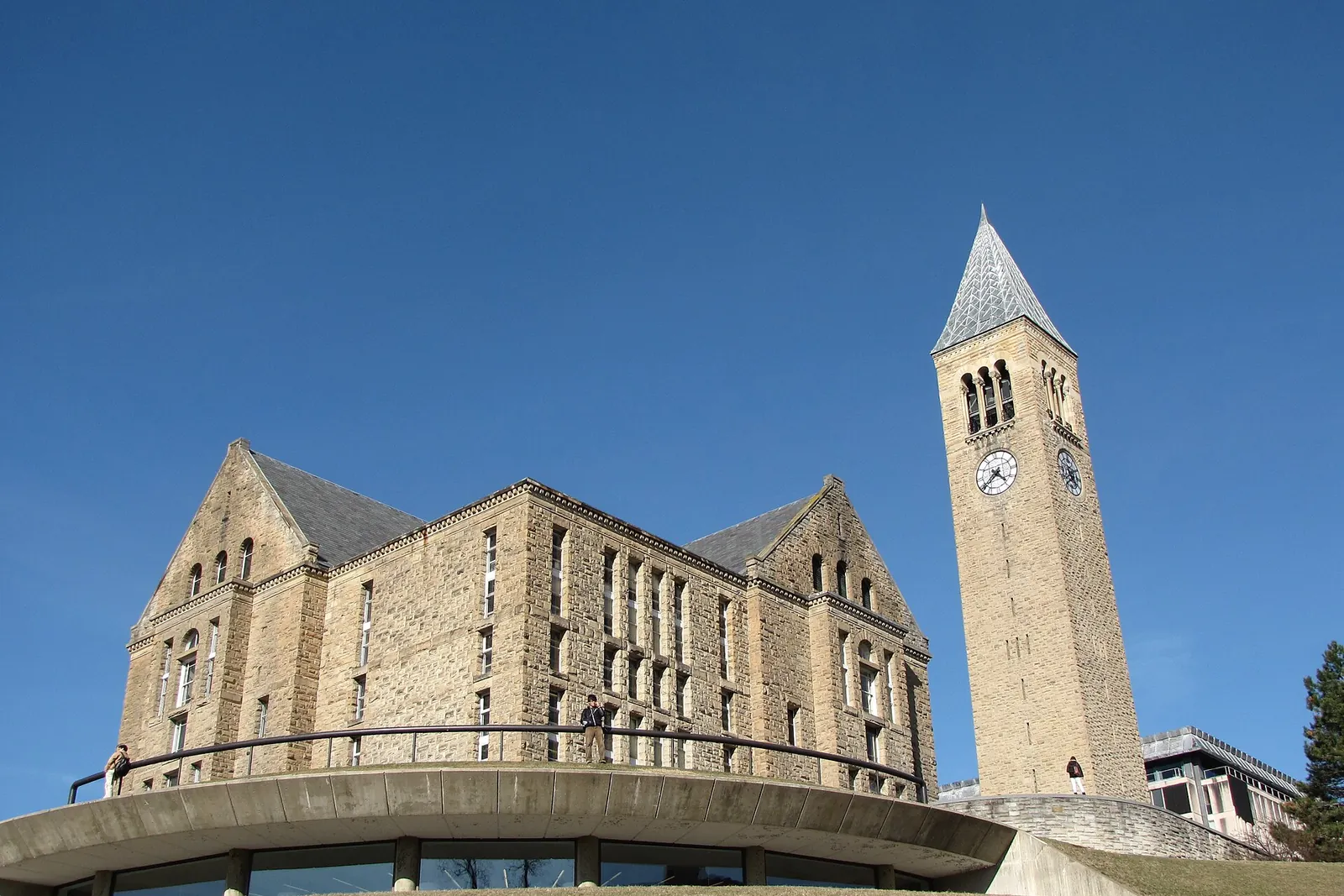

Cornell admissions works through separate front doors: you apply directly to one college or school, and the Cornell supplement asks you to answer that college's own writing prompt. The choices include Arts and Sciences, Engineering, Agriculture and Life Sciences, Human Ecology and Industrial and Labor Relations, and the prompts vary widely. Arts and Sciences asks for one essay of up to 650 words about an intellectual passion and the parts of its liberal arts curriculum you would draw on, while Engineering asks for two 200-word essays and several short ones.
Agriculture and Life Sciences asks two shorter questions, starting with what interests you about the major you selected. Many applicants answer these prompts the way they would answer any essay about a dream school, and the wording quietly asks for something more.
Explaining fit with a Cornell college
Several colleges spell out what their readers weigh, and the wording rewards a close read. Arts and Sciences asks why its liberal arts education is a good fit for your academic interests, and then how you are a good fit for the college. Agriculture and Life Sciences uses the same pair. Engineering asks how the college fits your aspirations and how you would contribute to and grow within its community.
Most applicants write only the first half: here is what your college offers and why I want it. The second half asks what the college gets in return. A former Cornell admissions officer described the job in exactly those terms. Officers are choosing people to share their community for the next four years, he said, and when they praise an essay, the real question is whether they liked the person who wrote it.
Most applicants write only the first half: here is what your college offers and why I want it.
Write to that college's mission
Human Ecology is the most explicit. Its prompt asks for an extracurricular, community or work experience that ties you to the college's mission of responding to human needs, what it taught you about your community, and how your intended major would help you make an impact. Its admissions page says strong candidates show a clearly articulated connection to that mission. That is a different essay from one about loving Cornell.
So begin each draft by reading the college's own pages, its mission, its majors and its course expectations, before drafting. Then answer both halves. Name what you would use, and say what you would bring: a skill, a habit of mind, an unfinished project, a way of working with other people.
Check the preparation too
The colleges also differ in the courses they want. Human Ecology strongly recommends calculus and expects depth in math and science whatever your major. Several majors in Agriculture and Life Sciences require calculus, and a few require physics. Read your college's list before choosing senior-year classes, because the essay and the transcript should tell the same story. Prompts change, so confirm the current wording each fall.
Each Cornell college writes its own prompt and asks how you fit it as well as how it fits you, so write to that college's mission and say what you would bring.
Tactic #94
How does this apply to your child’s application?
Book a free call to discuss your child’s application with a Specialist and ask which tactics are relevant to their plans.