Writing
How to write clear, readable UC personal insight answers
What UCLA's seasonal reader job posting reveals about how personal insight answers are read, and why plain language and concrete actions work best.
Sign up to read selected tactics
92% of our students got into a top-25 university or programSign up to read inside the admissions officeBook a free call
The Scholar’s Bureau
Writing
What UCLA's seasonal reader job posting reveals about how personal insight answers are read, and why plain language and concrete actions work best.
Sign up to read selected tactics

Recommenders
What to put in a short brag sheet for a teacher writing your college recommendation, so they recall specific classroom moments without you writing the letter.
Sign up to read selected tactics

Essays
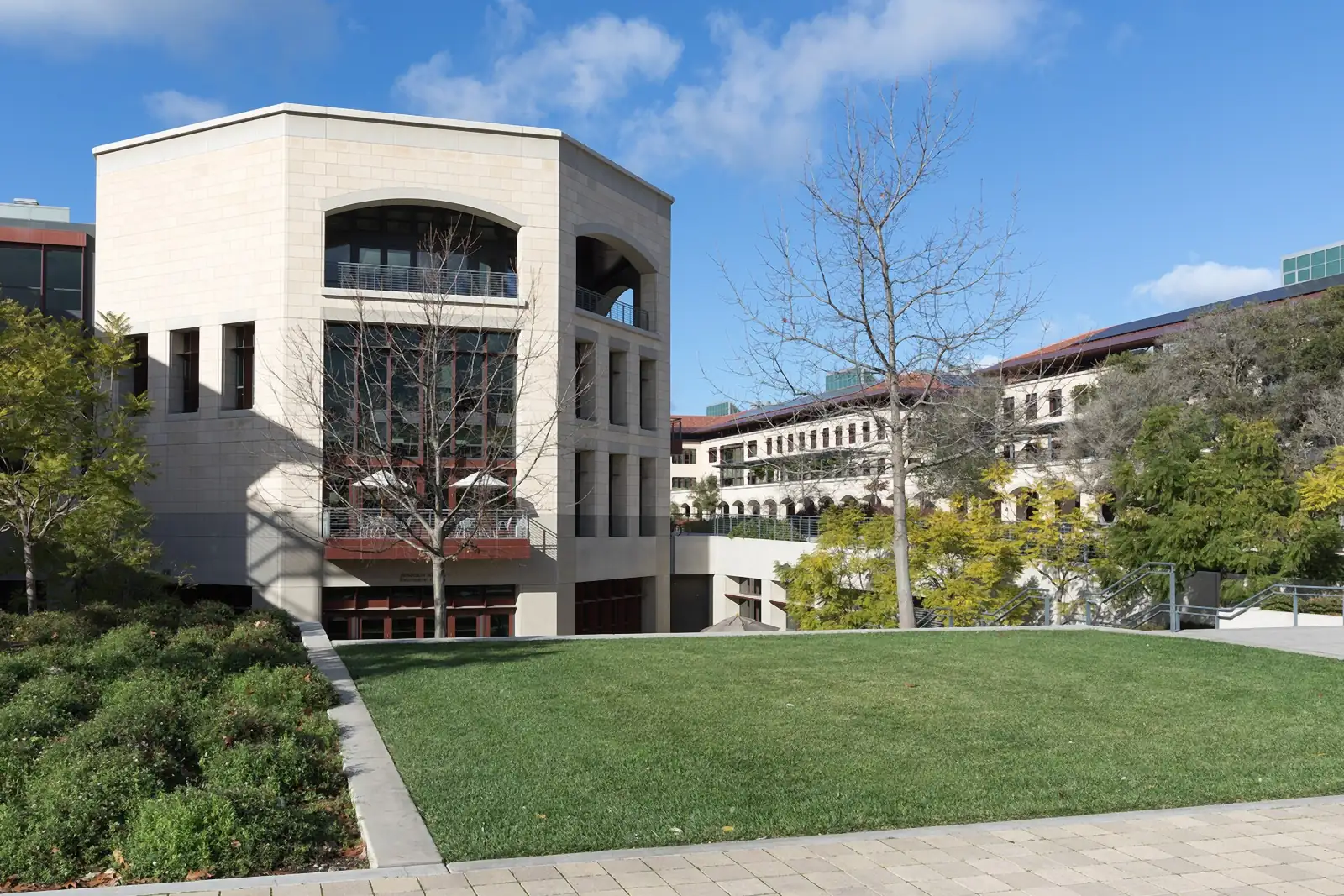
Why a Stanford reader recalled a valedictorian denied over his personal essay, and how to choose a topic that shows professors how you think and learn.
Sign up to read selected tactics
Competitive, but not compelling.
What a reader writes on a strong file that will still be denied. Most of this library is about the difference.
Committee
A Stanford reader's account of summarizing an application for committee, and how clear activity descriptions give a reader lines to repeat about you.
Sign up to read selected tactics
How UC Berkeley's reader research compared grades within an applicant's own high school, and what that context means for choosing courses.
Sign up to read selected tactics
Sign up to read selected tactics

Sign up to read selected tactics

Sign up to read selected tactics

Committee
Committee
Committee
Committee
Committee
Committee
Committee
Committee
Committee
Committee
Committee
Committee
Committee
Committee
Committee
Committee
Committee
Committee
Context
Committee
Waitlist
Committee
Committee
Committee
Context
Committee
Committee
Committee
Essays
Why a Stanford reader recalled a valedictorian denied over his personal essay, and how to choose a topic that shows professors how you think and learn.
Sign up to read selected tactics
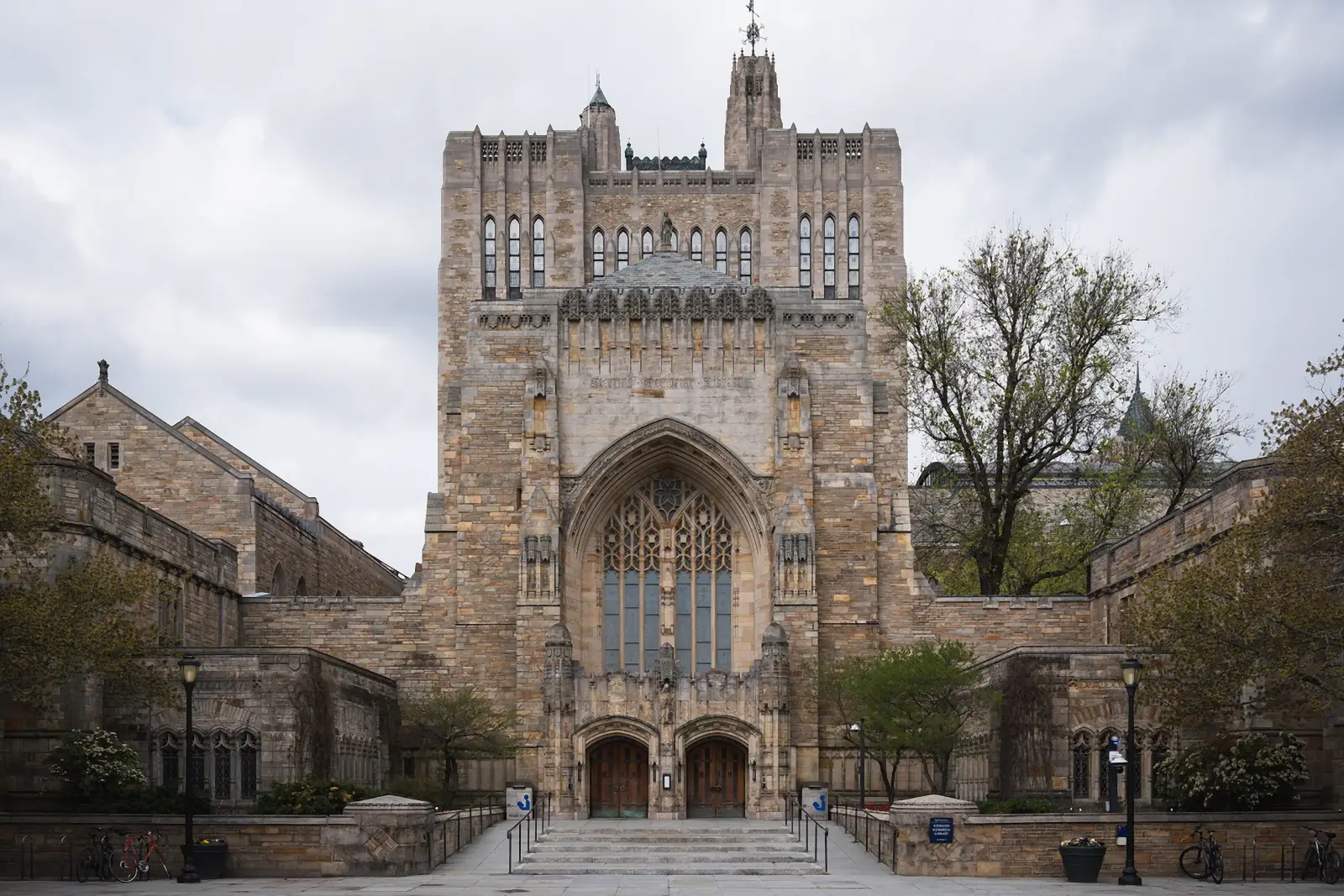
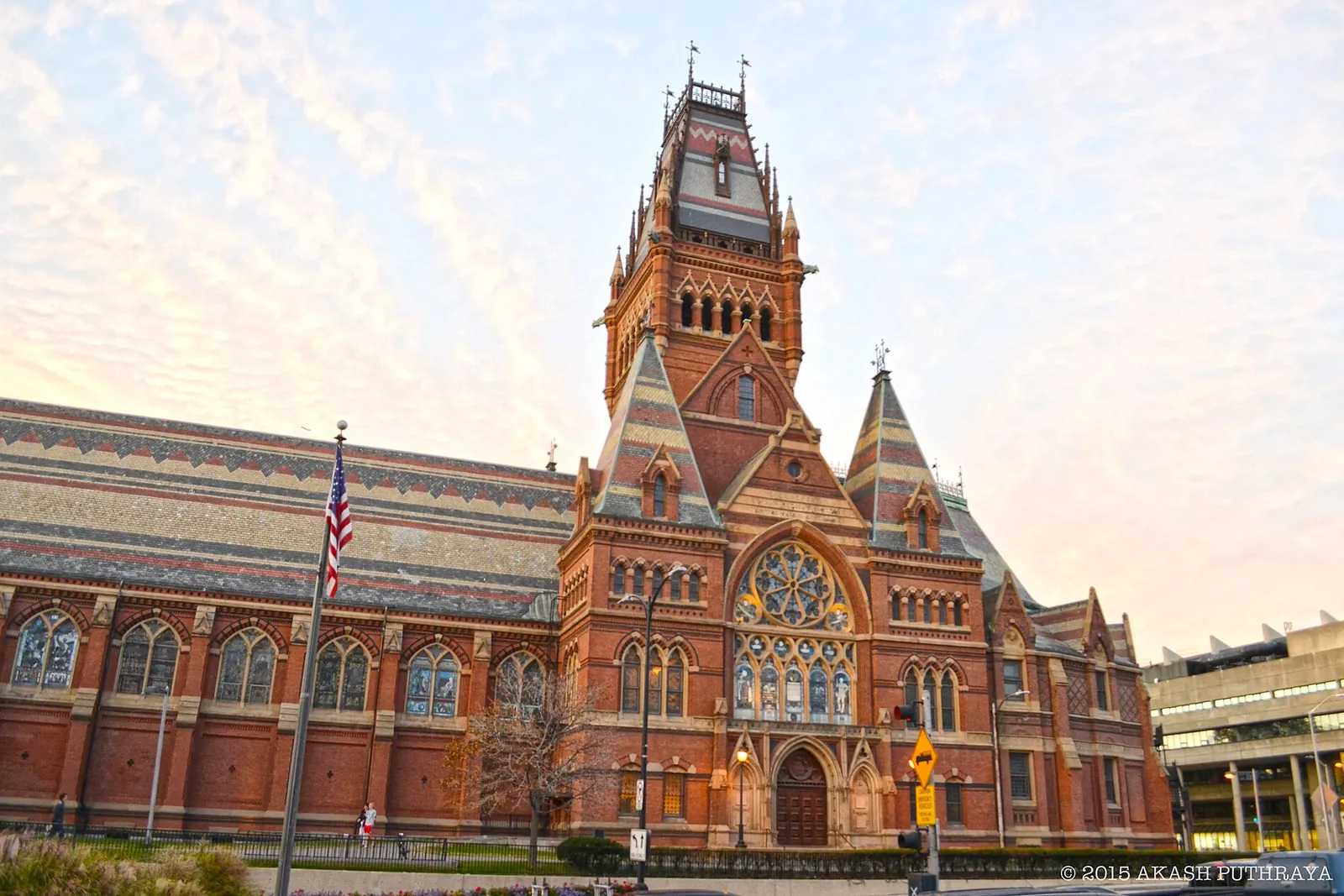
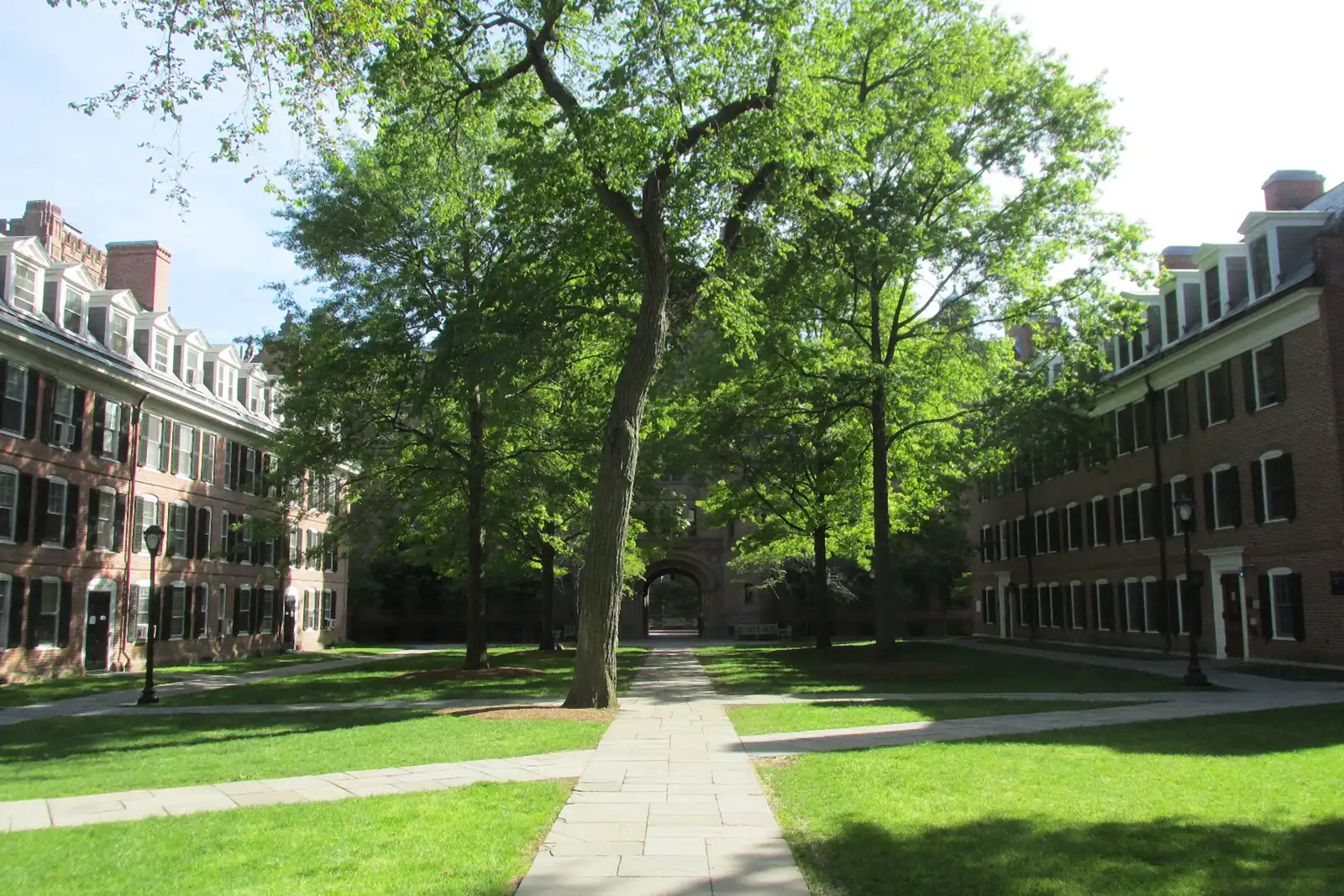
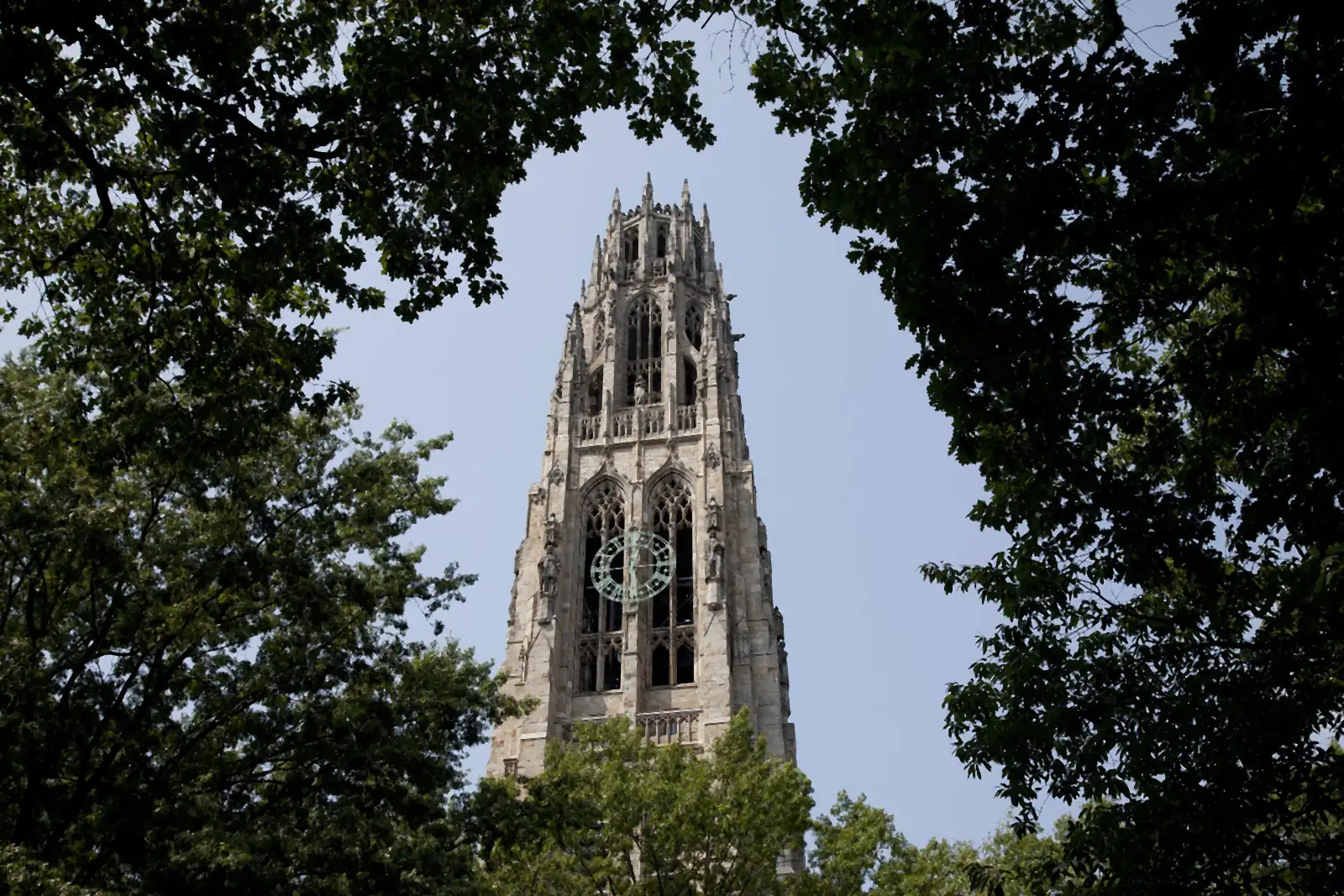
What Yale's public admissions guidance says about voice and reflection, with a practical way to keep your essay specific and recognizably yours.
Sign up to read selected tactics
Sign up to read selected tactics
Sign up to read selected tactics

Sign up to read selected tactics

Essays
Essays
Essays
Context
Essays
Why Us
Essays
Essays
Essays
Essays
Why Us
Supplements
Supplements
Essays
Writing
Writing
Essays
Essays
Essays
Essays
Essays
Essays
Research
Research
Research
Essay structure
Essay structure
Essay structure
Why Us
Why Us
Why Us
Diversity essay
Supplements
Supplements
PIQs
Essays
Essays
Supplements
Supplements
Why Us
Why Us
Why Us
Why Us
The Major
Essays
Essays
Integrity
Research
Essays
Diversity essay
Writing
What UCLA's seasonal reader job posting reveals about how personal insight answers are read, and why plain language and concrete actions work best.
Sign up to read selected tactics
Why UC readers cannot look anything up, and how to explain local awards, unfamiliar acronyms and activity roles within the application itself.
Sign up to read selected tactics
Sign up to read selected tactics

Sign up to read selected tactics

Sign up to read selected tactics

Writing
Writing
Writing
Writing
Writing
Writing
Writing
Additional comments
Writing
Writing
Writing
Writing
Writing
Writing
Writing
Writing
Writing
Writing
Writing
Writing
Writing
Writing
Writing
Writing
Writing
Activities
How Harvard's extracurricular rating separated school-level leadership from wider impact, and how to show the depth and reach of your activities with evidence.
Sign up to read selected tactics
How MIT readers view a project you built at home, and how to describe it through the problem, design, revisions and your own role, with specific evidence.
Sign up to read selected tactics
Sign up to read selected tactics

Sign up to read selected tactics
Sign up to read selected tactics

Activities
Activities
Activities
Activities
Activities
Activities
Activities
Activities
Activities
Activities
Activities
Activities
Activities
Activities
Activities
Activities
Activities
Activities
Activities
Activities
Context
Activities
Activities
Activities
Activities
Activities
Activities
Activities
Activities
Activities
Activities
Activities
Activities
Activities
Activities
Activities
Activities
Activities
Recommenders
What to put in a short brag sheet for a teacher writing your college recommendation, so they recall specific classroom moments without you writing the letter.
Sign up to read selected tactics
What the school counselor's report and letter tell colleges about course rigor, rank and school context, and what information your counselor may need from you.
Sign up to read selected tactics
Sign up to read selected tactics

Sign up to read selected tactics
Sign up to read selected tactics

Recommenders
Recommenders
Recommenders
Recommenders
Recommenders
Recommenders
Recommenders
Recommenders
Recommenders
Recommenders
Recommenders
The major
How to turn one academic interest into a sustained strength by linking coursework, related activities and clear writing across your college application.
Sign up to read selected tactics
A Harvard file discussed at trial shows the limits of a generic pre-med description. How to give specific reasons and work behind a goal of studying medicine.
Sign up to read selected tactics
Sign up to read selected tactics

Sign up to read selected tactics

Sign up to read selected tactics

The Major
The major
The major
The major
The major
The major
Grades
How admissions readers look past a single GPA number to course grades and rigor, how weighted and unweighted GPAs differ and what to enter on your application.
Sign up to read selected tactics
How selective colleges judge AP course load against what your high school offers, and what to do when your school runs out of advanced classes in your subject.
Sign up to read selected tactics
Sign up to read selected tactics

Sign up to read selected tactics
Sign up to read selected tactics

Committee
Testing
Rigor
Rigor
Grades
Testing
Testing
Rigor
Deferral
What to include in a Yale update letter after an early action deferral, if updates are allowed: real news and grades, kept concise, while you apply elsewhere.
Sign up to read selected tactics
How to build a balanced college list of about ten schools from the bottom up, starting with accessible colleges you would be glad to attend, then reaches.
Sign up to read selected tactics
Sign up to read selected tactics

Sign up to read selected tactics
Sign up to read selected tactics
School list
School list
School list
Early plans
School list
Early plans
Interviews
What a Harvard alumni interviewer knows about you beforehand, how to prepare themes and examples if you are offered an interview and how to follow up afterward.
Sign up to read selected tactics
Whether to bring a resume to a college alumni interview, how to keep it to one page and how to choose experiences you can discuss.
Sign up to read selected tactics
Sign up to read selected tactics

Sign up to read selected tactics

Sign up to read selected tactics

Interviews
Interviews
Interviews
Interviews
Interviews
Interviews
Hooks
A Princeton file account on regional context, and how to explain your community's opportunities and limits without assuming geography decides an admission.
Sign up to read selected tactics
How former Princeton officers described balancing different institutional needs when building a class and how to stand out within your part of the pool.
Sign up to read selected tactics
Sign up to read selected tactics

Sign up to read selected tactics

Sign up to read selected tactics
Aid
Hooks
Aid
Aid
Hooks
Appeals
Hooks
Hooks
The public numbers behind California admissions: acceptance rates by high school and major, the best high schools by UC results, and what each degree earns.
Getting in
11.1% of students who took a spot on UCLA’s waitlist were admitted from it, fall 2025
Getting in
76.6% of California community college transfer applicants admitted to at least one UC campus, fall 2025
Getting in
28.1% of California high school applicants admitted to Cal Poly San Luis Obispo, fall 2021 to 2025 combined
Getting in
30% of California’s class of 2026 took the SAT, against 67% of the class of 2020
Getting in
64% of Claremont McKenna’s fall 2025 first-year class, at most, was admitted through early decision (CDS 2025-26)
High schools
75.7 UC admits per 100 seniors at Dr. Richard A. Vladovic Harbor Teacher Preparation Academy, Wilmington, where schools like it get 20.6, fall 2023 to 2025
High schools
91.6 UC admits per 100 seniors at BASIS Independent Silicon Valley, the top California private school, fall 2023 to 2025
High schools
74.9 UC admits per 100 seniors at Design Science Middle College High, Fresno, where schools like it get 20.9, fall 2023 to 2025
High schools
53.9% of California public high school graduates finished the UC/CSU A-G courses, class of 2025 (2024-25)
Majors
0.7% of nursing applicants admitted to UCLA and UC Irvine, fall 2025 (88 of 12,747)
Getting in
6.9% of Hispanic undergraduates at California four-year colleges attend the 10 that admit fewer than 1 in 4 applicants, fall 2024
After college
$382,000 UC Berkeley’s 10-year return on a degree, our calculation from College Scorecard, October 2026 release
After college
$262,600 median pay of UC Berkeley computer science graduates 10 years out, working in California, UC data updated July 2026
After college
319 Google job records among UC Berkeley graduates five years out, in UC’s career-profile sample, updated July 2025
After college
42.2% of UCLA graduates of 2001-02 to 2019-20 earned a graduate degree, UC data updated July 2026
A library of short pieces on how admissions readers at selective US colleges actually decide, written by the team at The Scholar’s Bureau. Each piece takes one tactic, names the admissions office it is about, and explains the reasoning a reader applies to a real file.
Each piece is based on what we at the Bureau learned from an admissions office: most often Stanford, then UCLA, Berkeley, Harvard, Yale, Princeton and MIT. Every piece names the office it draws on. None of these universities is affiliated with The Scholar’s Bureau or endorses it.
Our families asked us to keep the tactics themselves off the internet, because a move every applicant knows stops being an edge. An account is required to read any tactic. Free accounts open a selection of the 236 pieces; the rest open for families who work with us.
Book a free call with a counselor. A family who works with us reads the library by the length of its plan: month to month opens about 30 percent of it, four months about 60 percent, and a full year, or a senior paid in full, opens everything.
No. These pieces explain how admissions readers assess applications. Applying a tactic does not guarantee an offer.