Writing
How to start a college essay: first sentence tips
How to write the first sentence of a college essay so a busy Stanford reader slows down: be clear and specific, skip the prompt and revise the opening last.
SourceBased on what we at the Bureau learned from the Stanford admissions office.
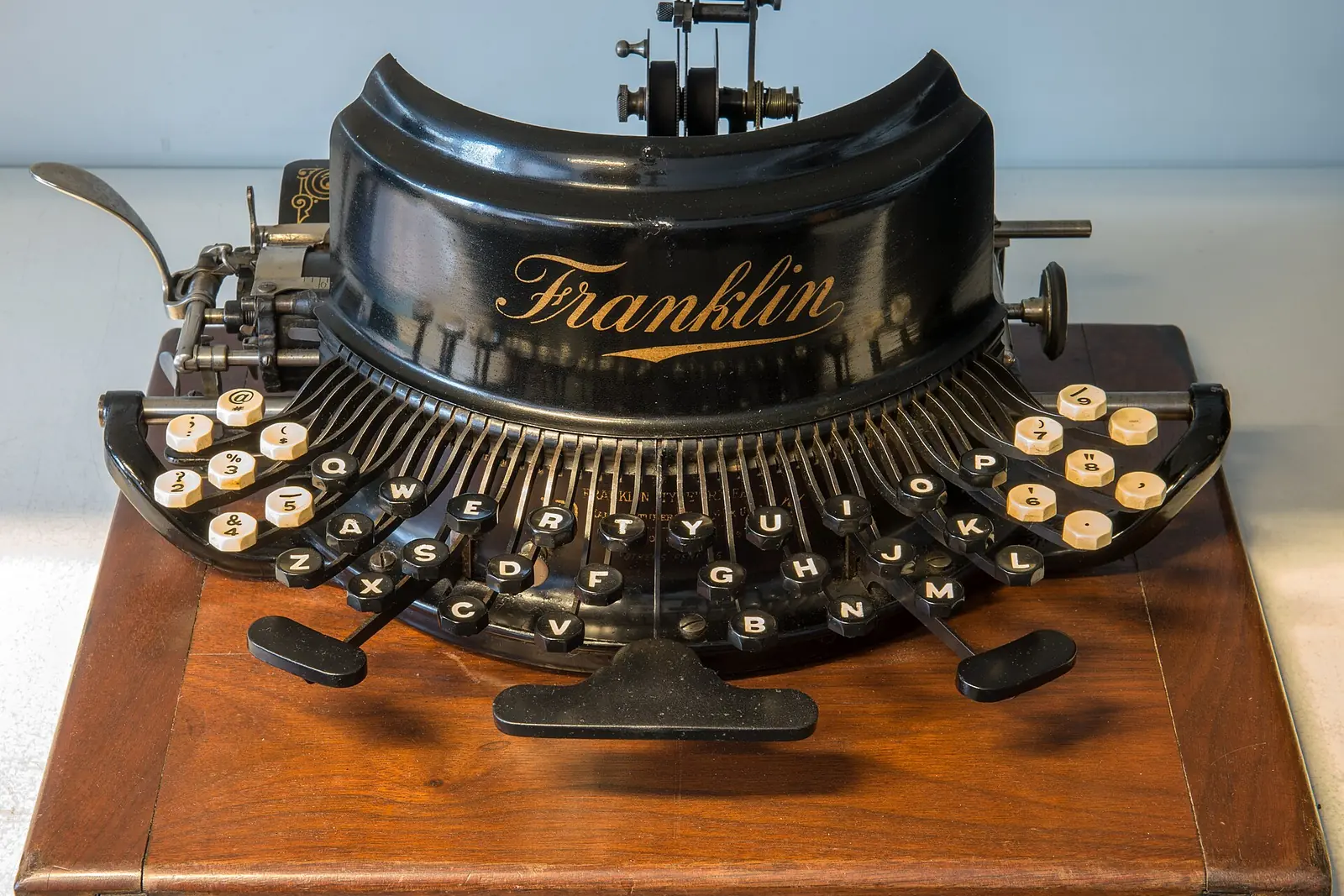

Readers in Stanford's admissions office decide within a line or two whether an essay deserves their full attention, and most applicants spend those lines clearing their throats. Hemingway described his cure for a stalled draft. When he caught himself writing elaborately, introducing or presenting something, he cut away the ornament and started with the first true, simple, declarative sentence he had written. It is the best advice there is for the opening of a college essay, and it is the advice most applicants ignore, because the first sentence feels like a place to ease in rather than the place where a tired reader decides how carefully to read the rest.
Why the opening sentence matters in a college essay
Picture the person reading your essay. In the office we learned from, a reader in season might work through twenty to fifty files a day, and by mid-afternoon the essays begin to sound alike. Your first sentence is your one clear chance to make that reader slow down. When a borderline file reached committee there, readers were often asked for the applicant's best line of writing. It helps if that line is the first one.
"An event that sparked a period of personal growth for me" is the prompt wearing your clothes.
Three habits of strong openings
Do not restate the prompt. "An event that sparked a period of personal growth for me was the first time I went to a bullfight" is the prompt wearing your clothes. Hemingway's own version opens with the first bullfight he ever saw and his expectation of being horrified by what would happen to the horses. Cut the scaffolding and begin.
Start in the middle of the action, the way most films do. Gabriel García Márquez opens a novel with a colonel facing a firing squad and remembering the afternoon his father took him to discover ice. No explanation. The reader has to keep going to find one.
Put the most important word last. One applicant opened with sunlight through tulle curtains falling on stacks of books, scattered clothes and her most valuable possession, her record player. The sentence ends on the object the essay is about, and the reader is left wondering why it matters so much. Hemingway ends on the horses, Márquez on ice. That small cliffhanger pulls a fast reader into the second sentence.
Finding your best sentence
Your best sentence may be buried mid-draft or sitting in the last paragraph. Read the whole essay and mark the single line you would most want a stranger to remember. Then try moving it to the top. It will not always fit, and you may need to rebuild the paragraph around it. When it does fit, the rest of the essay inherits its energy.
Skip restating the prompt, start in the middle of the action, and end your first sentence on its key word to create a small cliffhanger.
Tactic #137
How does this apply to your child’s application?
Book a free call to discuss your child’s application with a Specialist and ask which tactics are relevant to their plans.