Interviews
How does the MIT interview work? What if you do not get one?
How MIT's alumni interview process works, what it means when no interview is available, the step students miss and how to prepare to discuss your projects.
SourceBased on what we at the Bureau learned from MIT's admissions office and its former director of admissions Matt McGann.
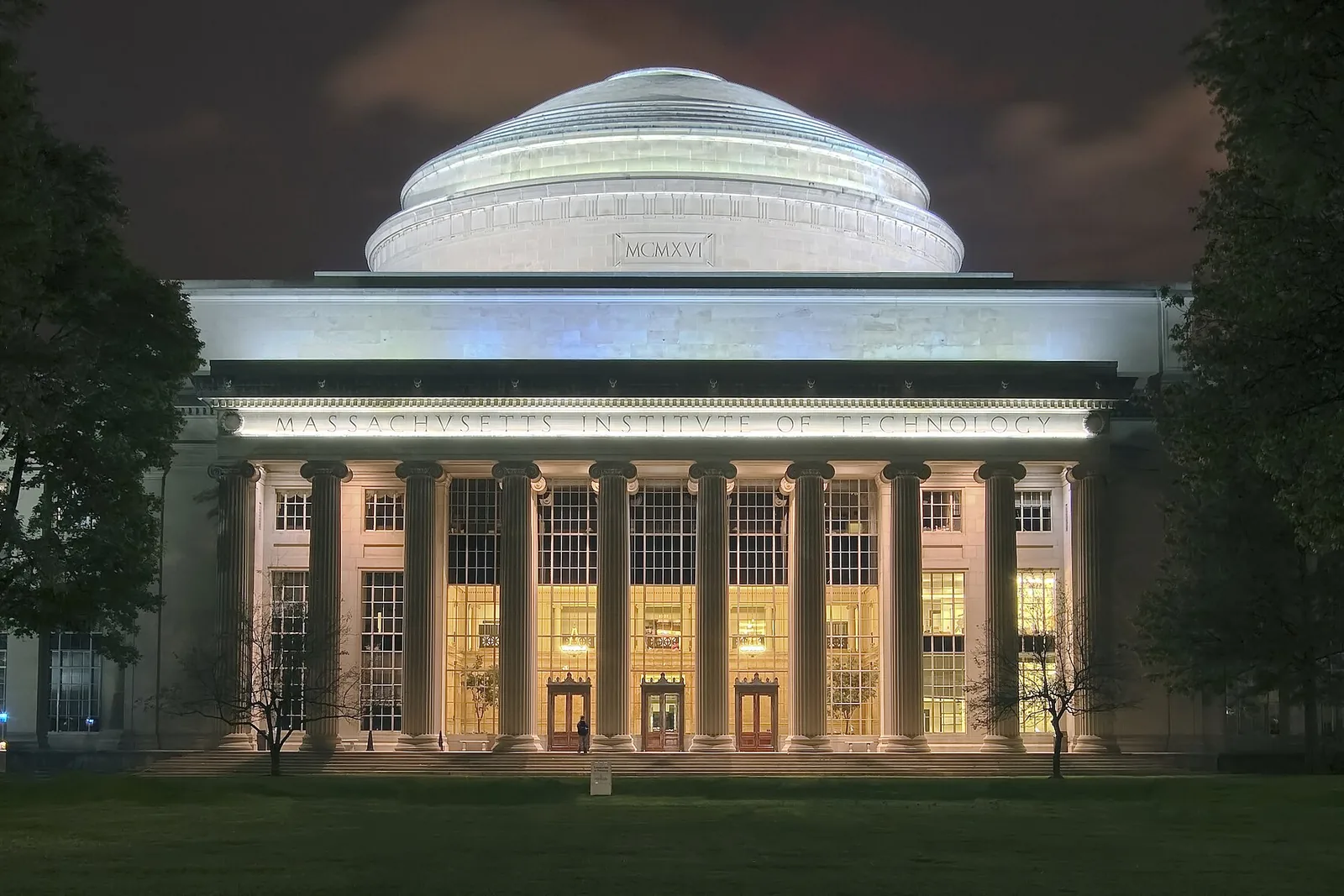

MIT interviews its applicants through Educational Counselors, alumni volunteers coordinated through the MIT Alumni Association, and the admissions office says there are more than 3,500 of them around the world. That sounds like enough for everyone, and it is not: MIT says plainly that availability is limited and some applicants will not be offered an interview.
Families hear that and worry on two fronts, about what a missing interview does to a file, and about whether their student will be among those left out. MIT has answered the first question directly. The second turns on details of timing that most families learn about only after the window has closed.
When an MIT interview is unavailable
Families worry that an interview that never happens counts against them. MIT's own answer is direct. Interviews are not a required part of the application, and if one cannot be arranged it is waived and will not put you at a disadvantage. The committee knows when an interview could not be offered and reads the file with that in mind.
The interview still helps when it happens. Matt McGann, a former MIT director of admissions, described it in his time as a helpful part of the file without being make-or-break, and that remains the sensible way to think about it. It adds a second voice describing you, written by someone who met you in person. It rarely decides a case alone.
Students lose interviews they would have had by letting that email sit in a promotions folder for two weeks.
The step students miss
Interviews run on a tight calendar. MIT holds them in October and November for Early Action and in December and January for Regular Action. After you submit, an Educational Counselor may email the address on your application to set a time, and MIT asks applicants to watch their inbox and respond promptly. Students lose interviews they would have had by letting that email sit in a promotions folder for two weeks. Check spam daily in those months, make sure the address you used reaches your phone, and answer within a day or two. Interviews happen in person where possible, and online if you and the counselor agree.
How to use the hour
Educational Counselors are alumni, often engineers or scientists, and many would rather talk about ideas than probe for weaknesses. Bring one or two things you have built, studied or wondered about, and be ready to discuss them in detail, including what went wrong. Ask about their own years at MIT and listen to the answer. Be the same person your essays describe. The counselor's write-up is most useful to the committee when it confirms, in a stranger's words, that the student on the page is real.
MIT's alumni interview is optional and a waived one carries no penalty, so the main job is to answer the counselor's email fast and talk in detail about what you have built or studied.
Tactic #174
How does this apply to your child’s application?
Book a free call to discuss your child’s application with a Specialist and ask which tactics are relevant to their plans.