Why Us
How to start a Why Us essay with a college's history
How a historical figure connected to a college can open a Why Us essay, why it persuades a reader and how to research a story tied to your academic interests.
SourceBased on what we at the Bureau learned from the Stanford admissions office.
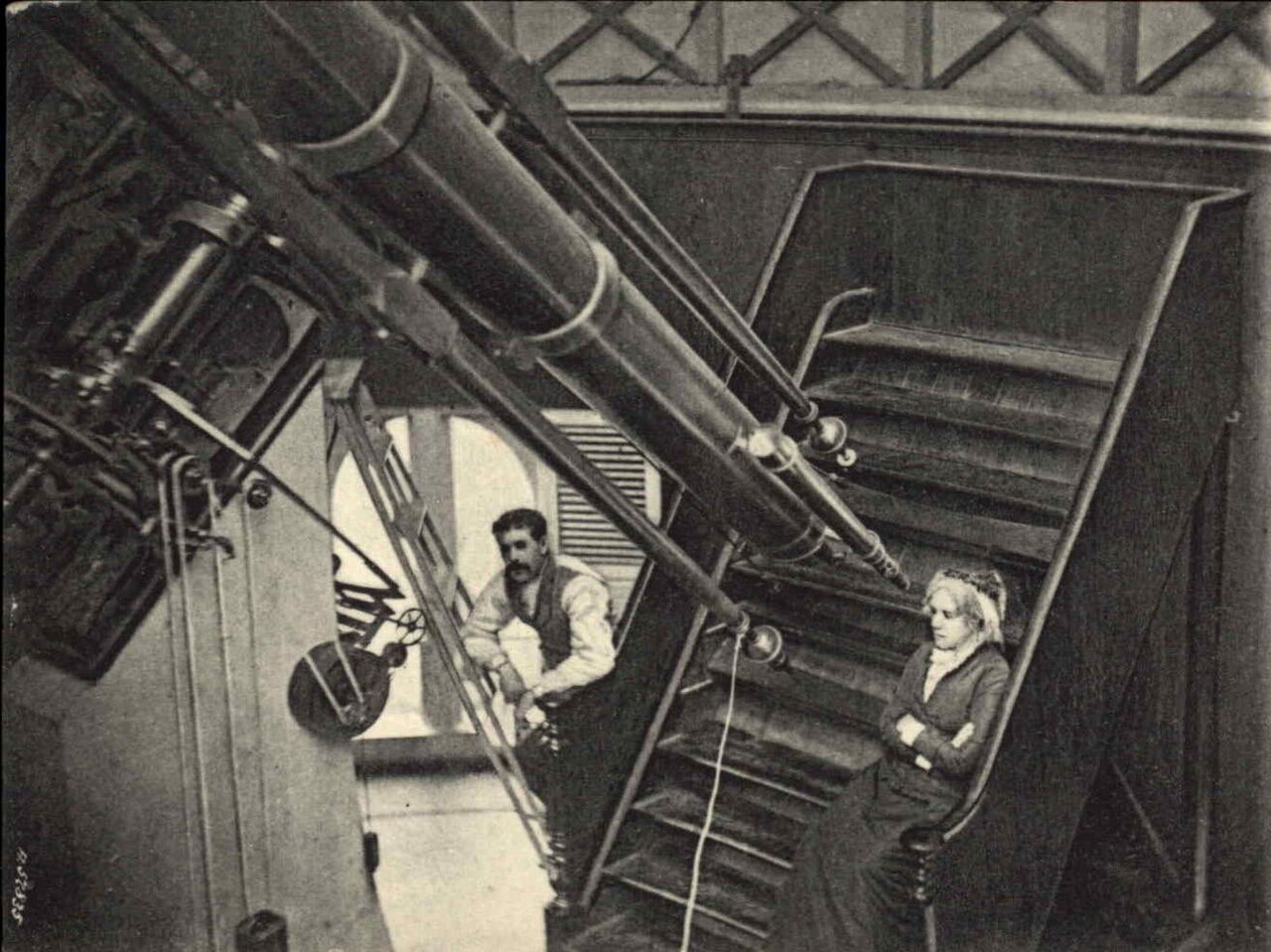
Readers in Stanford's admissions office knew that every Why Us essay hides the same question, whether this applicant really wants this particular place, and that declarations almost never answer it. Students write that a college is their first choice, list programs from the website and praise the community, and the reader, who has seen the same moves all week, ends the essay no more convinced than she began. One reader there described an opening that settles the question in a few sentences. It borrows a move from biography, it teaches the reader something, and it leaves her holding a detail she is likely to repeat. Here is what it looks like on the page.
Connecting a college's history to your academic interests
Choose a person from the college's past who connects to your field, someone a reader has heard of but probably could not describe in any detail, and tell a short part of their story. Then tie it to what you want to study.
Take a student applying to Vassar to study astronomy. She could open with Maria Mitchell, who in 1847, working as a librarian on Nantucket by day and observing from a rooftop at night, discovered a comet through her telescope. Mitchell became the first woman elected to the American Academy of Arts and Sciences, and later joined Vassar's first faculty as its professor of astronomy, teaching women science when few institutions would. A few sentences of that, and a line about wanting to work in the tradition she began, make a complete argument. The essay hardly needs to say anything else about the college.
The reader is learning about their own institution from a seventeen year old, and that is disarming.
Why it works on a reader
Most people at a college have a passing familiarity with its famous figures. Very few know the details. When an applicant supplies them, the reader is learning about their own institution from a seventeen year old, and that is disarming. It answers the hidden question in every Why Us essay, whether you really want this particular place, more convincingly than any declaration. As one reader in the office we learned from put it, it is hard to doubt that you want to attend when you know more about the school than the reader does. A good detail also gets reused: readers speak to prospective families all year, and a story like Mitchell's is the kind they carry into the next talk.
Doing the research
Look for the college's early faculty in your field, alumni who did something original, and the people whose names are on its buildings and observatories. College archives, digitized alumni magazines and the history page of your intended department are good places to start. Choose someone a reader will recognize by name and know little about. A figure too famous gives them nothing new, and one too obscure takes too much explaining.
Get every fact right. Check dates and firsts against more than one reliable source, because a wrong detail about a college's own hero lands badly with someone who works there. Then keep the story short. Its job is to open the door to your field, and the rest of the essay should go to the ideas you want to pursue there.
Open a Why Us essay with a lesser-known story about someone from the college's past who connects to your field.
Tactic #132
How does this apply to your child’s application?
Book a free call to discuss your child’s application with a Specialist and ask which tactics are relevant to their plans.