Hooks
Does Stanford consider legacy or donations in 2026?
What former Stanford officers described about legacy and donor access, what changed under California law in 2025 and what it means for claims of an edge.
SourceBased on what we at the Bureau learned from former Stanford admissions officers speaking on the record.
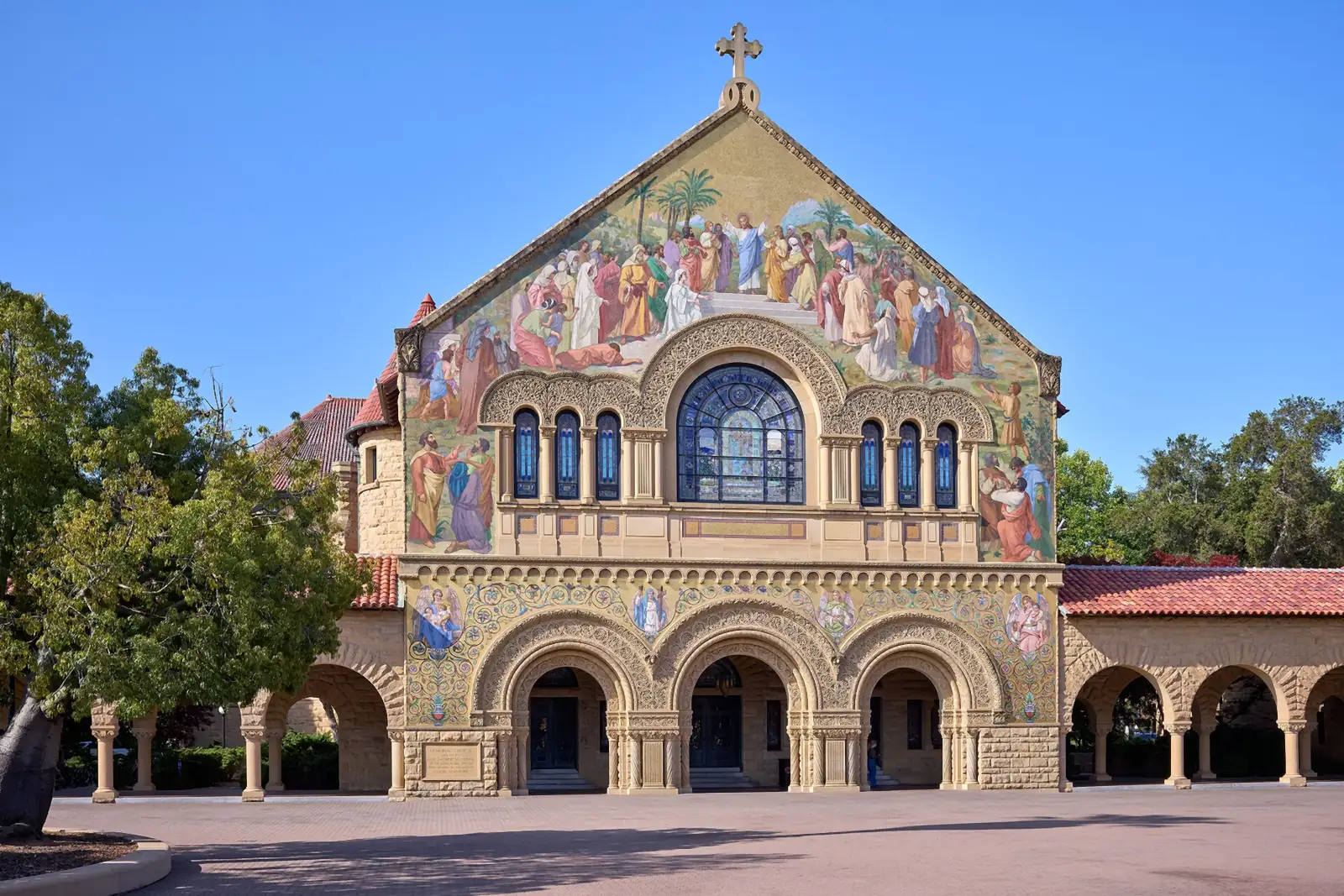

Former Stanford admissions officers who have spoken on the record give a far more sober account of side doors than the people who sell them. In 2019 federal prosecutors charged the organizer of a college admissions bribery scheme, and Stanford's sailing coach was among those who pleaded guilty. Families who had never heard the phrase side door suddenly wondered how many applicants used one, and some began to wonder whether they should look for one too.
The officers' answer is more measured than the headlines, and since 2025 a change in California law has altered the picture again.
What former Stanford officers described about access
Jon Reider, a senior associate director in Stanford's admissions office for many years and the person credited with coining the phrase intellectual vitality, said on public radio in 2019 that admission through a very large gift was rare. In his memory it had happened at that level about once. He also explained how the scheme slipped through. Admissions runs on trust, and an office without video of an athlete usually takes a coach's word. The fraud exploited that trust, which is why it was prosecuted.
Two other former Stanford officers, interviewed in 2012, described channels that did exist. Children of faculty went through a separate review and fared much better than the general pool, though they still needed grades and scores in the range of the admitted class. Major donors were weighed informally against past and expected giving, and legacy brought a smaller bump, a different category from either. The two accounts differ in emphasis, and neither suggested any channel worked for an applicant who was not already admissible.
Admissions runs on trust, and an office without video of an athlete usually takes a coach's word.
What changed in 2025
A California law signed in 2024, AB 1780, took effect in September 2025. It bars private nonprofit colleges in the state, Stanford among them, from giving applicants preference because of ties to alumni or donors, and requires them to report on compliance each year. The law speaks to alumni and donor ties and does not mention faculty families. Check Stanford's current admission pages for how it describes its own process, and assume alumni and donor ties now carry no formal weight there.
What it means for you
Anyone who claims they can get a student into Stanford through a connection is selling something that was always rare, was a crime when arranged through a coach, and in its donor and legacy forms is now barred by state law. The only route that has reliably worked is the front door: a strong record, real depth in something the student loves, and a file that makes a reader want to argue for it. Spend the time, and the hope, there.
Side doors into Stanford were always rare, the coach route was a crime, and California law now bars legacy and donor preference, so ignore anyone selling access.
Tactic #38
How does this apply to your child’s application?
Book a free call to discuss your child’s application with a Specialist and ask which tactics are relevant to their plans.