Committee
What makes a UCLA application stand out?
A past account of UCLA review shows why one distinctive strength can matter in a close decision, and how to make that strength unmistakable across your file.
SourceBased on what we at the Bureau learned from UCLA's admissions office, the California State Auditor's report, and admissions files from selective colleges.
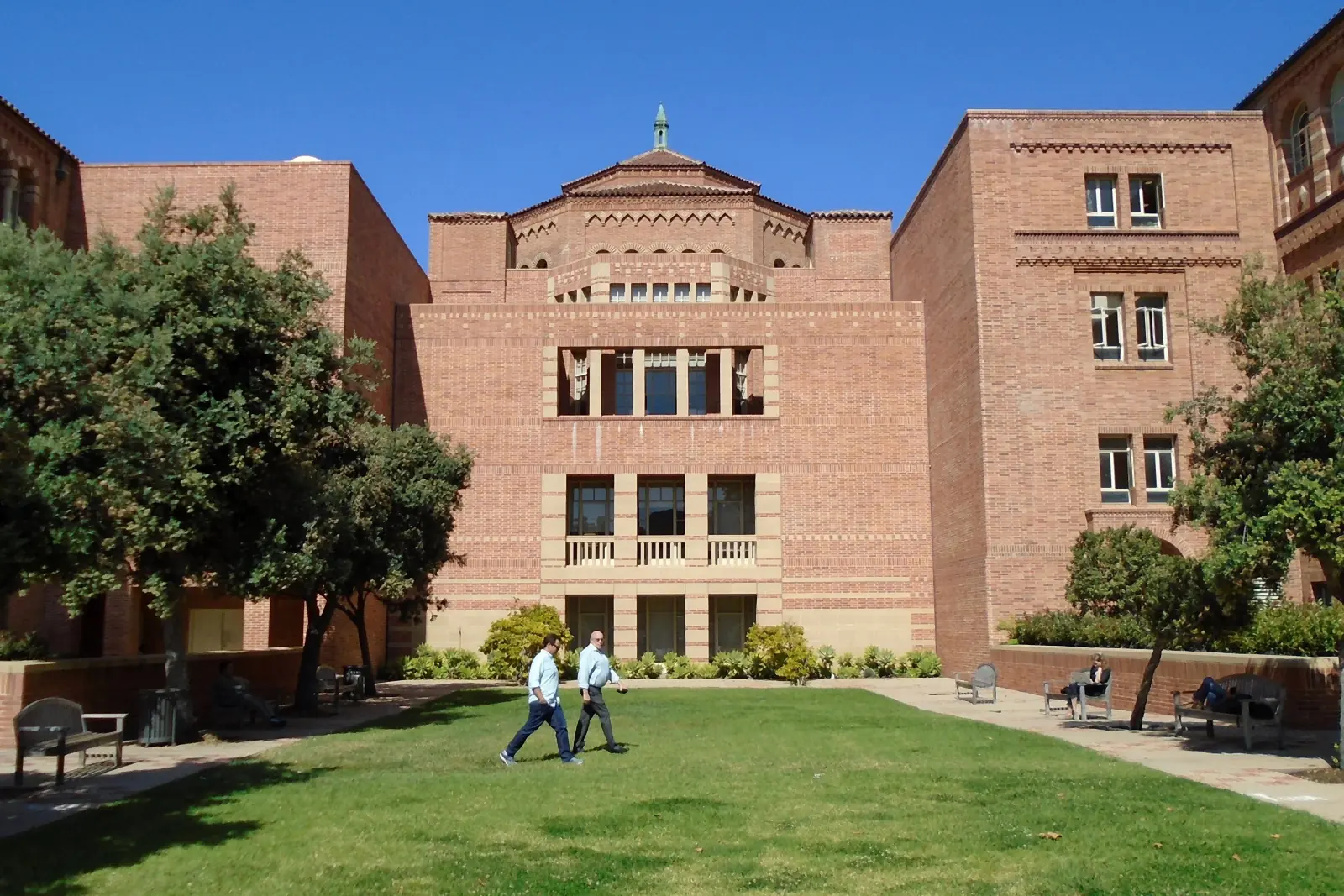

Two readers score every UCLA application today, and the California State Auditor found that a single reader's rating can swing the result. The second look is older than the current system: in the year UCLA described in its alumni magazine, files near the line were reread in full, about four thousand of them, because the chair of its faculty admissions committee believed a single point could change an outcome.
Somewhere in that machinery, a file that was nearly an admit gets another chance to become one. Most families never plan for that moment, assuming a reread simply repeats the first verdict, and for many files it does. Whether a file moves depends on what the second reader finds when they go looking.
What a second reader can learn from a distinctive strength
A reread does not start from zero. The second reader is looking for a reason, something solid enough to justify moving the file up. Across the admissions files that former students have obtained from selective colleges, the same pattern recurs. The comment that tipped a file usually fastened onto one piece: an essay a reader marked to be read by colleagues, a short additional information page with real charm, an answer about an ethical dilemma handled with unusual maturity. One clear strength gave the reader a sentence to write.
A file that is evenly good everywhere offers no such handle. It is easy to approve and just as easy to pass over, and on a reread it tends to land where it landed the first time.
One clear strength gave the reader a sentence to write.
Build one unmistakable piece
So plan for one part of the application to be unarguably the best thing a reader sees that hour. For a UC application it will usually be one of the four personal insight answers, or one activity description with a result nobody else in the stack can claim. Choose it on purpose. Give it your most specific material and your most careful revision, and put it where a reader meets it early.
Then make sure nothing elsewhere undercuts it. A brilliant answer about building a water filter for a rural clinic is weakened if the activities list never mentions the clinic. The standout piece works when the rest of the file quietly confirms it.
A test for it
Give the full application to someone outside the family and ask which single part they would read aloud to a friend. If they cannot pick one, the file has no handle yet. If they pick the part you expected, you are ready.
Borderline files get a second read, and what moves them is one standout piece a reader can argue from, so build one deliberately and let the rest confirm it.
Tactic #67
How does this apply to your child’s application?
Book a free call to discuss your child’s application with a Specialist and ask which tactics are relevant to their plans.