Writing
How to explain awards and acronyms on the UC application
Why UC readers cannot look anything up, and how to explain local awards, unfamiliar acronyms and activity roles within the application itself.
SourceBased on what we at the Bureau learned from UCLA's reader program and former UC admissions readers.
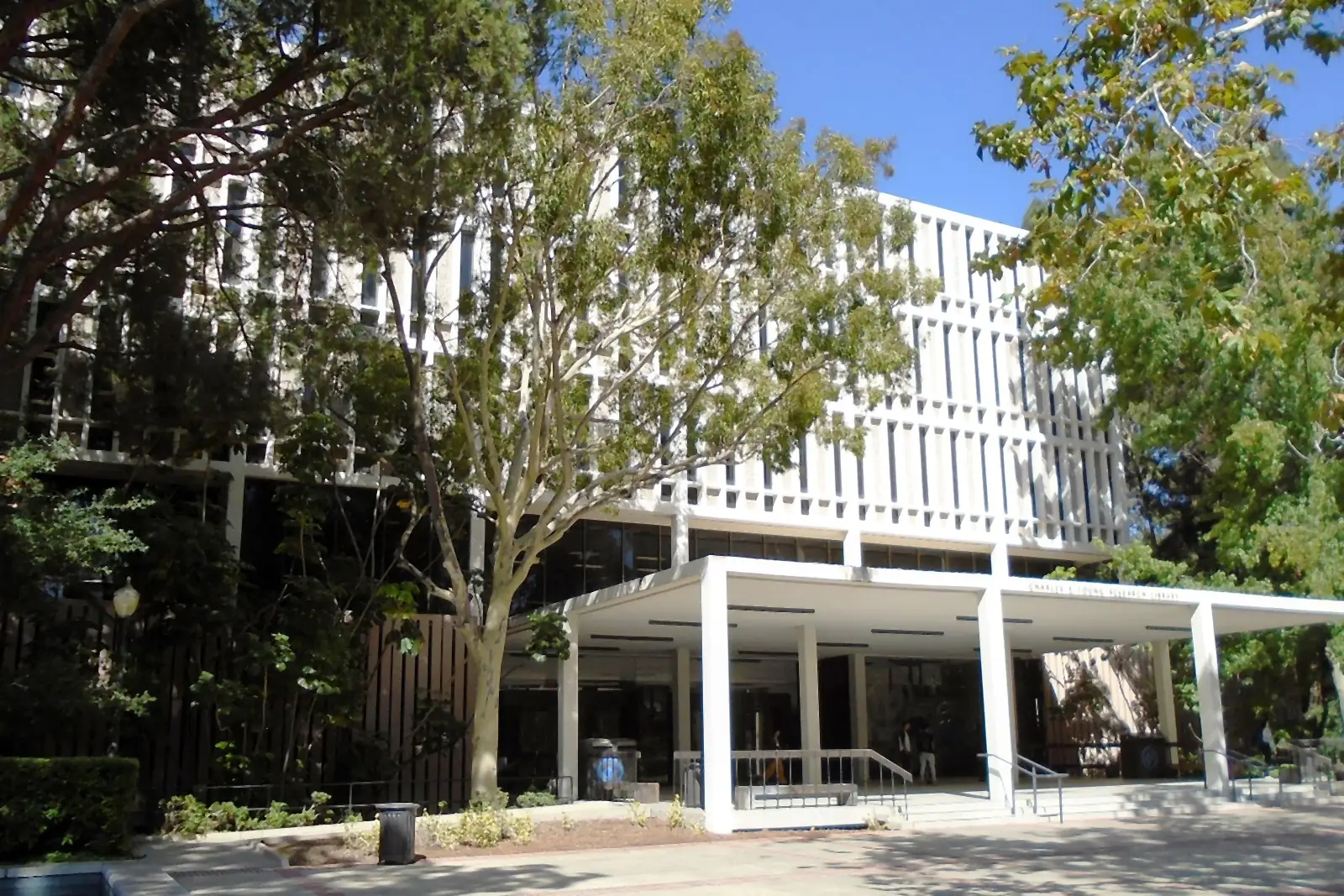

UCLA's admissions office hires seasonal readers each year, and its own hiring page gives a fair sketch of the person who will score your application: someone with at least a bachelor's degree, quite possibly a counselor at another high school, an alumni volunteer or a retired member of the admissions staff. They trained in November with norming sessions, scoring practice files until their judgments matched the group's, and now they read online, from wherever they are, through a quota that runs into the hundreds.
That person knows a great deal about how to read an application. They know almost nothing about your town, your school's clubs or the competition you won last spring, and families rarely write with that in mind.
What a UC application reader can learn from the page
Former UC readers agree on a simple rule. A reader works from what is written in the application and does not go looking for more. A reader at another campus said readers there were told not to click links, and others advise leaving links out altogether. Whatever a reader would need to understand an achievement has to be inside the entry itself.
They know almost nothing about your town, your school's clubs or the competition you won last spring.
Translate every local fact
This is where strong applicants quietly lose ground. Regional Science Bowl, second place means something to you and very little to a reader who has never heard of your region's event. Placed second of forty-two teams at the regional round of a national science competition gives them a scale. The same goes for acronyms. Spell out the honor society, the youth council and the program your school calls by its initials. A reader will not stop to decode them, and an unexplained abbreviation reads as nothing at all.
Describe an organization in one short clause and spend the rest of the entry on yourself. A community food bank serving several thousand families tells the reader enough. Then say what you did there.
The fresh reader test
Before you submit, hand the application to an adult who lives in another state and knows nothing about your school. Ask them to mark every phrase they could not explain to someone else. Each mark is a place where a UCLA reader, moving at speed, will either guess or move on. Rewrite those phrases until your mark-up comes back clean.
UCLA's readers score only what is written in the application, so give every award its level and field size, spell out acronyms and skip links.
Tactic #71
How does this apply to your child’s application?
Book a free call to discuss your child’s application with a Specialist and ask which tactics are relevant to their plans.