Committee
What is intellectual vitality? Stanford's meaning explained
How former Stanford readers described intellectual vitality, three ways an application can show it and a test you can run on every part of your own file.
SourceBased on what we at the Bureau learned from the Stanford admissions office.
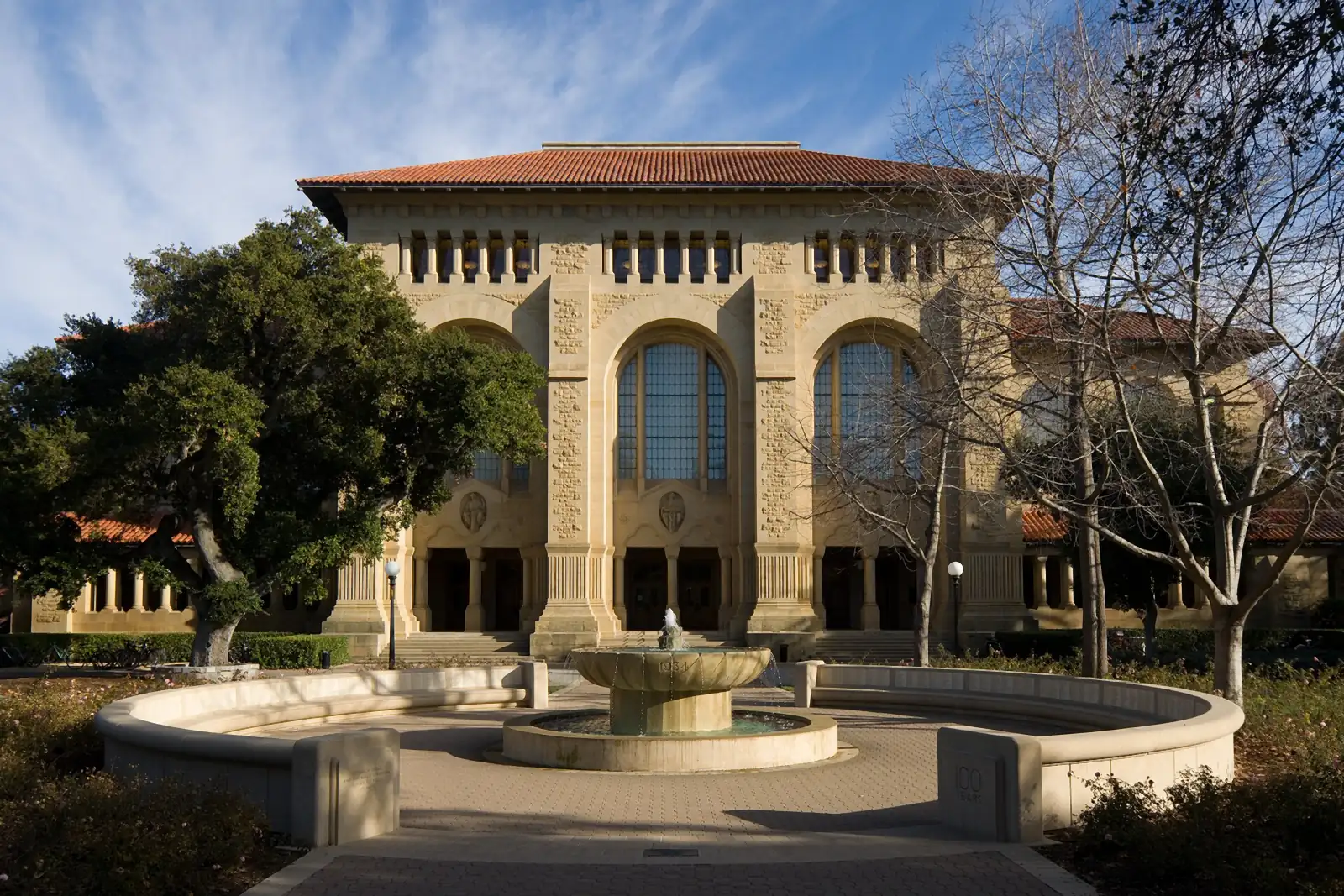

Readers in Stanford's admissions office rated every applicant on a trait they called intellectual vitality, academic energy you can feel on the page, and in the office we learned from it was the quality that mattered most. Most colleges describe the student they want in soft language, while Stanford's readers had a precise term, and other selective colleges use their own word for the same thing, most often intellectual curiosity.
Families tend to assume a strong transcript proves it. It does not, and a file full of A's and honors can still read as flat on the trait readers cared about most. Knowing what vitality looks like to a reader is the difference between a student who is merely impressive and one a professor would want to keep talking with.
Three ways an application can show intellectual vitality
Readers recognise vitality in three forms, and a student needs only one or two of them to register.
The first is raw intelligence, the plain evidence of a strong mind: an unusual argument, a hard problem worked out, a connection nobody expected. The second is joy in learning, the visible pleasure of someone who reads past the assignment and comes back with something to say. The third is thoughtfulness, a quality of reflection careful enough to slow a tired reader down in the middle of a paragraph. A student can show all three, but most will lead with one, and that is fine.
What vitality is not is high achievement alone. A transcript of A's shows that you did what was asked. Vitality shows what your mind does when nobody is asking.
A transcript of A's shows that you did what was asked. Vitality shows what your mind does when nobody is asking.
Where to show it
Most students try to prove vitality in the main essay, and it belongs there. It also belongs in the places they rush. Stanford's short questions, the ones with tiny word limits, are designed to catch it. A reader we learned from still remembered, a decade later, an applicant who answered a question about witnessing a moment in history with a single sentence placing herself on the steps of the Roman forum as the daggers came out. Fifty words did more for her than many full essays do.
It shows on the activities page when a description names the idea behind the work. It shows in recommendations when a teacher describes a question you asked that changed the next class. It shows in an interview when you talk about a book long after the polite answer would have stopped.
A test for every part of the file
Before you submit, read each piece and ask whether a professor in your intended field would want to keep talking with the person who wrote it. That is the vitality test, and it applies to a one-line short answer as much as to the essay.
Stanford rates intellectual vitality, the palpable academic energy of raw intelligence, joy in learning or striking thoughtfulness, so show it in every part of the file.
Tactic #56
How does this apply to your child’s application?
Book a free call to discuss your child’s application with a Specialist and ask which tactics are relevant to their plans.