Why Us
How to write a Why Us essay about your major
How to build a Why Us college essay around your academic interests and the college's specific opportunities, and what to do if your main essay covers the field.
SourceBased on what we at the Bureau learned from the Stanford admissions office.
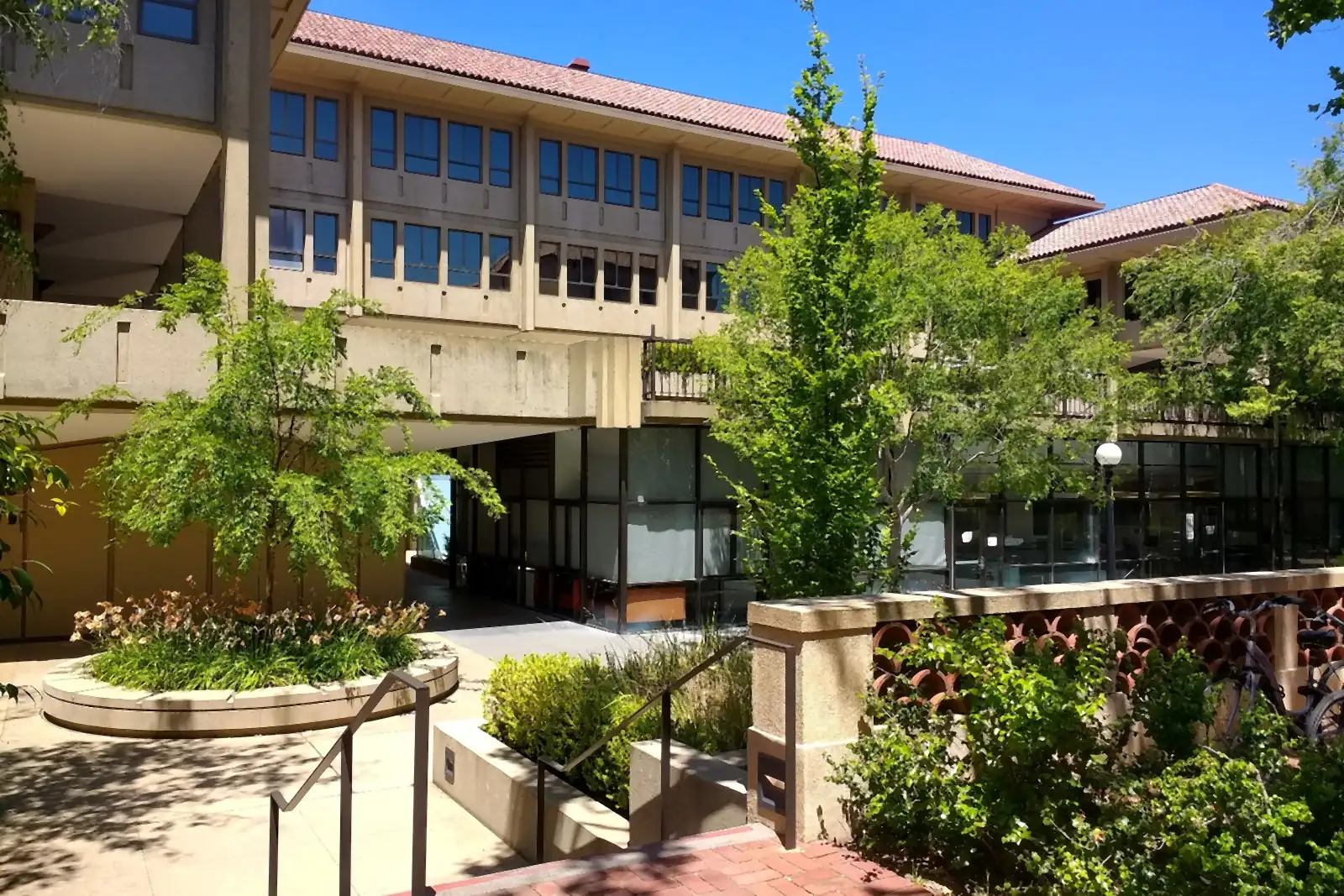

Read the way Stanford's admissions readers read it, nearly every selective college's Why Us prompt asks two questions at once: what would you come here to study, and why this campus. The wording shifts from Cornell to Duke to Columbia, but read closely, the prompts collapse into that pair. Students read it the other way. They hear why us and start describing the school, its quad, its traditions, its residential life, which is the half of the question they know least about. The result is a page of admiration any applicant could have written, and it tells the reader almost nothing about the person applying. There is a better way to divide the page, and it starts from what you actually know.
Using your academic interests to organize a Why Us essay
You know far more about your intended field than about a campus you have visited once. You can say something original about game theory, or tide pools, or the novel you have reread three times. You probably cannot say anything original about a college's residential system. The office we learned from gave a plain instruction: write almost the whole essay about the subject you want to study and why it holds you, then close with a single sentence about why this college seems the right place to do it.
That sounds backward, and it works because of whom the reader serves. The reader is choosing students for professors. A paragraph on why you love macroeconomics, with a real idea in it, tells the faculty what kind of student is coming. A paragraph on the beauty of the quad tells them nothing.
The reader is choosing students for professors.
What the final sentence does
The closing line carries the "here," so make it honest and specific. It can name a department, a seminar, a research center or a professor whose work you have read, as long as it connects to the idea you just spent the essay on. Keep it brief. A long tour of programs at the end pulls the essay back toward the brochure you were avoiding.
Here is the shape in practice. A student interested in public health spends most of her essay on how her town's annual water report taught her to read a dataset with suspicion, and on the epidemiology question she now wants to answer. Her last sentence names the college's global health program and the field course that would let her keep asking it. The reader finishes knowing exactly what she will do there, which is the real question behind the prompt.
When the main essay already covers it
If your personal essay is already about your major, the same principle holds. Stay in the field and take a fresh angle: a different thinker, a different problem, or an activity the reader has not yet heard about. A separate piece in this library walks through how.
Spend the Why Us essay almost entirely on what you want to study, and close with one sentence about why this college is the place to do it.
Tactic #130
How does this apply to your child’s application?
Book a free call to discuss your child’s application with a Specialist and ask which tactics are relevant to their plans.