Committee
How Yale reads applications: the regional officer's role
A former Yale officer describes how regional readers handle the first review and committee referrals, and why clear evidence matters at that first gate.
SourceBased on what we at the Bureau learned from former Yale admissions officers and Yale's former dean of admissions.
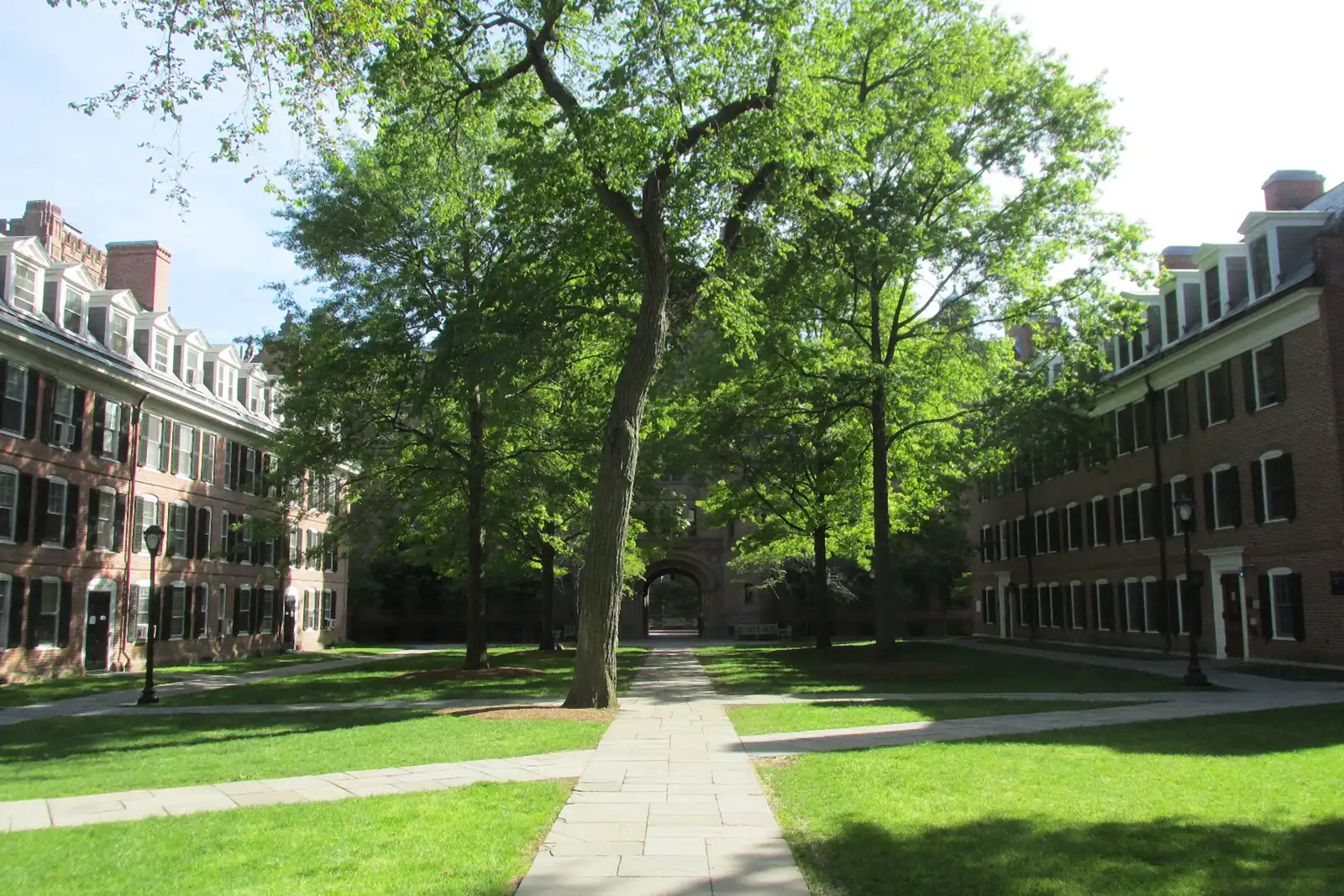

At Yale, the first reader of an application is a single area officer assigned by the location of the student's high school, and that officer decides whether the file goes any further. Families imagine a panel weighing every application, but the area officer has usually read your school's applicants in past years and often knows its counselor by name. A former senior assistant director at Yale, who read well over a thousand files a year across several states, described the job plainly: the officer picks a minority of files to go on, roughly the top third in his telling, and presents them to committee.
How that officer makes the choice should shape the way the whole file is built.
How a former Yale officer described the first application review
Jeffrey Brenzel, Yale's dean of undergraduate admissions from 2005 to 2013, described the same funnel from the top. A quick first-pass scan decides whether a file belongs in that upper group. Only then does the long, careful read begin. The order matters for how you build the file, because the strongest evidence has to be visible during a scan, before anyone is reading generously. Grades and the course load your school profile says you could have taken, the first lines of the activities list, the fields you name as academic interests: these are what a scanning reader takes in.
The numbers decide whether you are in the conversation. They rarely decide the conversation.
Academics are a gate
The same former officer described grades and scores as a threshold. Once a file clears it, he wanted academics never to come up in committee at all. Yale's own records point the same way. Students who viewed their reader cards in recent years, as the Yale Daily News reported in 2024, found comments about character and none about grades or scores. The numbers decide whether you are in the conversation. They rarely decide the conversation.
What this changes
Write for one person who knows your school well and is moving quickly. That reader compares you first with your own classmates, then with the typical applicant from your region, so a leadership role is weighed against what others at your school held. At a school that sends many applicants, team member loses to captain. Make the field you care about visible in the first few activity lines, and make sure your counselor's report and school profile let the officer see the hardest courses you took. The area officer's real task is to decide whether you are worth arguing for. Give them a file they can summarize in one breath, and the argument is half written.
At Yale one regional officer chooses which files reach committee after a fast scan, so the strongest evidence must show at a glance.
Tactic #29
How does this apply to your child’s application?
Book a free call to discuss your child’s application with a Specialist and ask which tactics are relevant to their plans.