Committee
What Yale's second reader sees in your application
Why a second Yale reader may lack the local context the first had, and how to explain activities, awards and work so an unfamiliar reader sees their value.
SourceBased on what we at the Bureau learned from Yale admissions files that students saw, and from former Yale admissions officers.
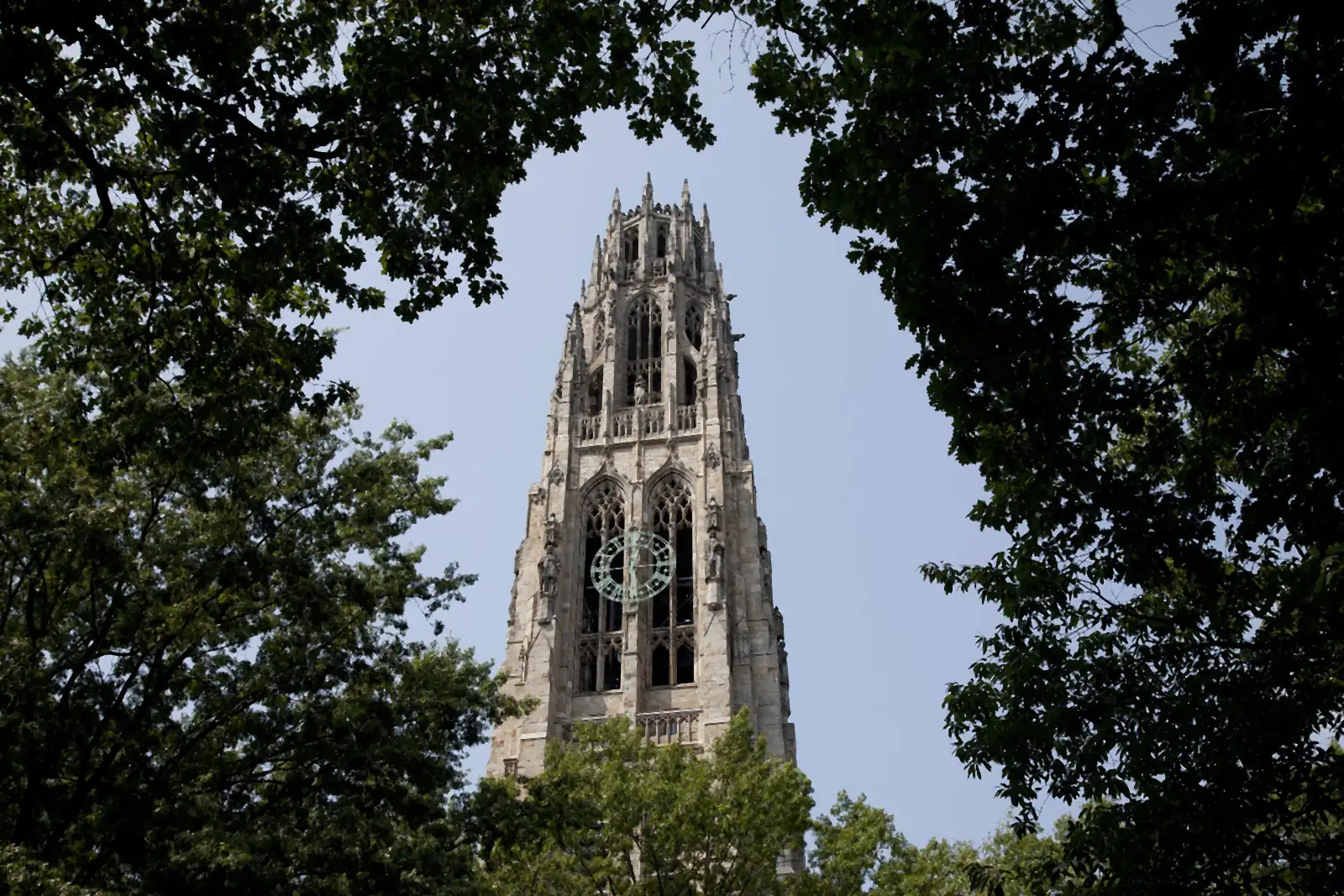

Yale gives each competitive application two independent reads, and the second comes from an officer who knows nothing about the applicant's school or town. Jeffrey Brenzel, Yale's dean of undergraduate admissions from 2005 to 2013, described the detail in terms most families never hear. The first read is by the area officer who knows your region. The second is by a colleague with, in his phrase, no local loyalties: someone who has never visited your school, does not know its counselor and has no stake in your town.
Everything the first reader understood without being told, the second reader has to find on the page, and the two do not always see the same student.
Why two application readers may interpret the same evidence differently
A Yale graduate who saw her own file in 2015, shortly before Yale returned to deleting reader comments, wrote about what her two readers recorded. They scored the same alumni interview a 9, the top of the scale, and a 6. One scored her teacher letters 8 and 8, the other 5 and 6. One found her essay a little cheesy. And yet both arrived at the same picture of her: a student who would be a high-impact writer on campus, and a good admit from her city's public schools. The scores wandered. The story held.
That is the lesson. Individual ratings vary more than families think, and no single strong piece can be counted on to carry a file past a skeptical reader. What survives two strangers is coherence: an application in which every part points at the same person, so that a reader who dislikes the essay still meets the writer in the activities, the letters and the short answers.
The scores wandered. The story held.
Writing for the outsider
The second reader cannot fill gaps with local knowledge. If your school offers only four AP courses and you took all four, say so where a reader will see it, or make sure your counselor does. If your town has no debate league and you founded one, the description should make that plain in a phrase. Anything the area officer would know, assume the second reader does not.
Then run a simple test. Give your full application to an adult who has never been to your school and ask them to describe you in one sentence. If their sentence matches the one your area officer would write, the file will hold up when it changes hands. If it comes back vague, the missing piece is usually context, the part of an application students most often leave out.
Yale gives competitive files a second reader with no local knowledge, and readers' scores vary widely, so every part of the file must point to the same person and carry its own context.
Tactic #30
How does this apply to your child’s application?
Book a free call to discuss your child’s application with a Specialist and ask which tactics are relevant to their plans.