Research
How to use magazine archives for college essay research
How magazine archives can supply specific historical details for a college essay, how to get access to them and how to turn what you find into your perspective.
SourceBased on what we at the Bureau learned from the Stanford admissions office.

Readers in Stanford's admissions office separated competitive essays from compelling ones, and the difference often came down to a single detail the reader had never seen before. An applicant can admire a historical figure, know the famous quotations and retell the famous episodes, and still write an essay indistinguishable from dozens in the same stack. The student who is remembered has brought something no one could have found by accident. That detail does more than add specificity, because it shows the interest is genuine, which is the claim every applicant makes and few can support. The material for that kind of detail is older and easier to reach than most families assume, and almost no applicant goes looking for it.
Finding specific essay details in magazine archives
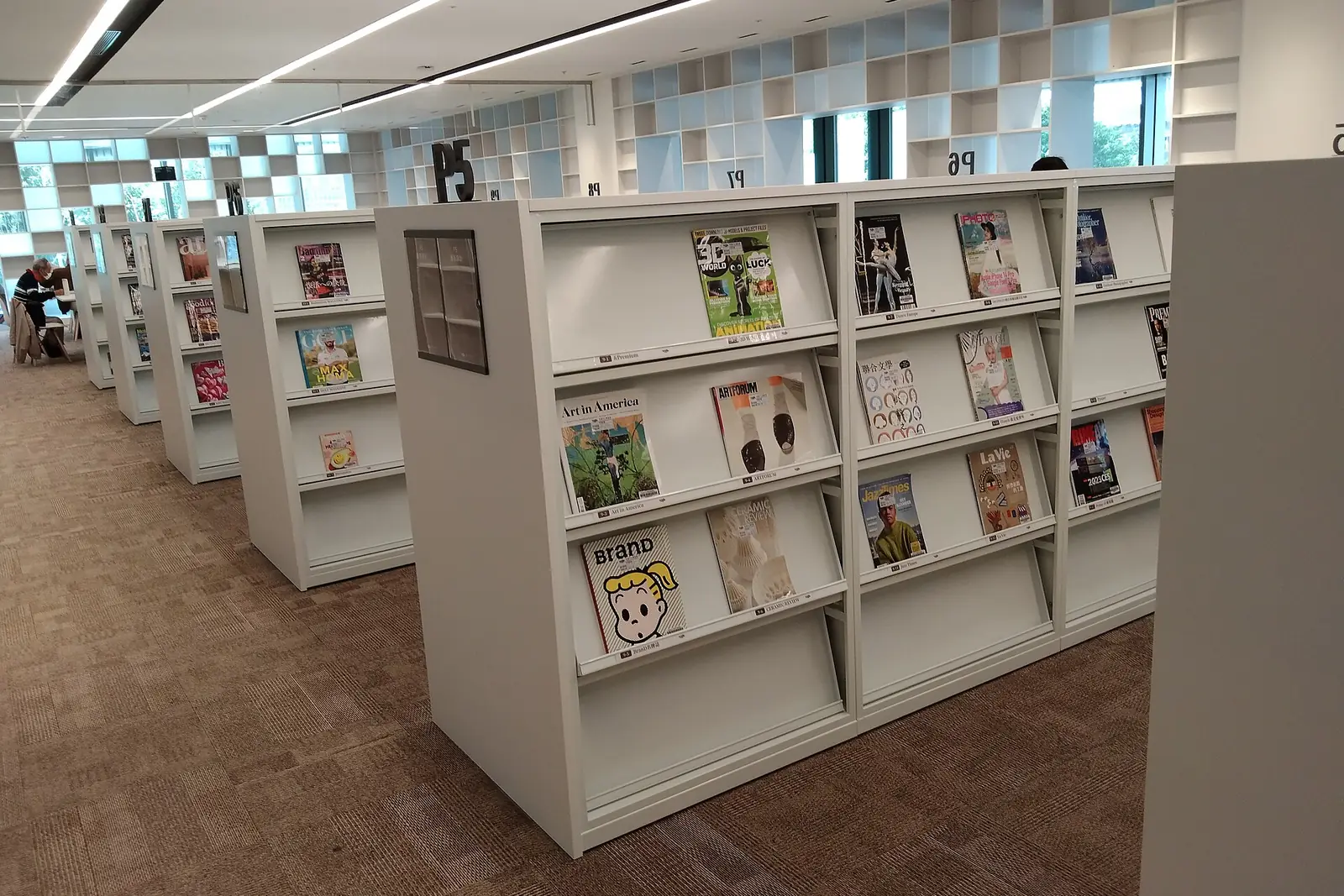
Some of the great American magazines have archives reaching back to the nineteenth century. Harper's began publishing in 1850, and its back issues hold reporting on inventions as they happened and writing by authors now taught in every high school. For an essay writer, that archive is a gold mine almost no applicant enters.
Picture three students who admire the same president. The first quotes his most famous line, the one on every poster, and the reader has seen it so often she no longer hears it. The second writes about a well-known episode from his life and what it taught him about leadership. That essay is competent, even competitive. The third finds a profile of him printed in a magazine in the last months of his life, while the world was still at war, and sets what his contemporaries thought of him beside how we remember him now. That essay is compelling.
The difference is specificity, and something more. Going into the archive proves the interest is real. Nobody stumbles onto a decades-old magazine profile while padding an application. It is what historians and literary scholars actually do: they go back to the record, and they read what people said at the time.
Students outside history can use it too. Twain published a short story called Luck in Harper's in 1891, about a famous general whose entire career was a chain of blunders that happened to turn out well. A student interested in probability, management or the psychology of success could build an essay on it and almost certainly be the only applicant who did.
Nobody stumbles onto a decades-old magazine profile while padding an application.
How to get in
Many magazines put their archives online for subscribers, and libraries often provide access through databases such as ProQuest or JSTOR. A school or public librarian can tell you what you can reach. Search by a person, an invention or an event connected to your field, then read what turns up with a pencil in hand. You are looking for one surprising sentence or fact that nobody else will bring. Quote it briefly, then spend the essay on what it means to you, so the archive supplies the evidence and you supply the thinking.
Search magazine archives for primary-source details connected to your field; they make the essay specific and prove the interest is real.
Tactic #125
How does this apply to your child’s application?
Book a free call to discuss your child’s application with a Specialist and ask which tactics are relevant to their plans.