Hooks
How does Princeton build its incoming class?
How former Princeton officers described balancing different institutional needs when building a class and how to stand out within your part of the pool.
SourceBased on what we at the Bureau learned from former Princeton admissions officers and deans, speaking on the record.
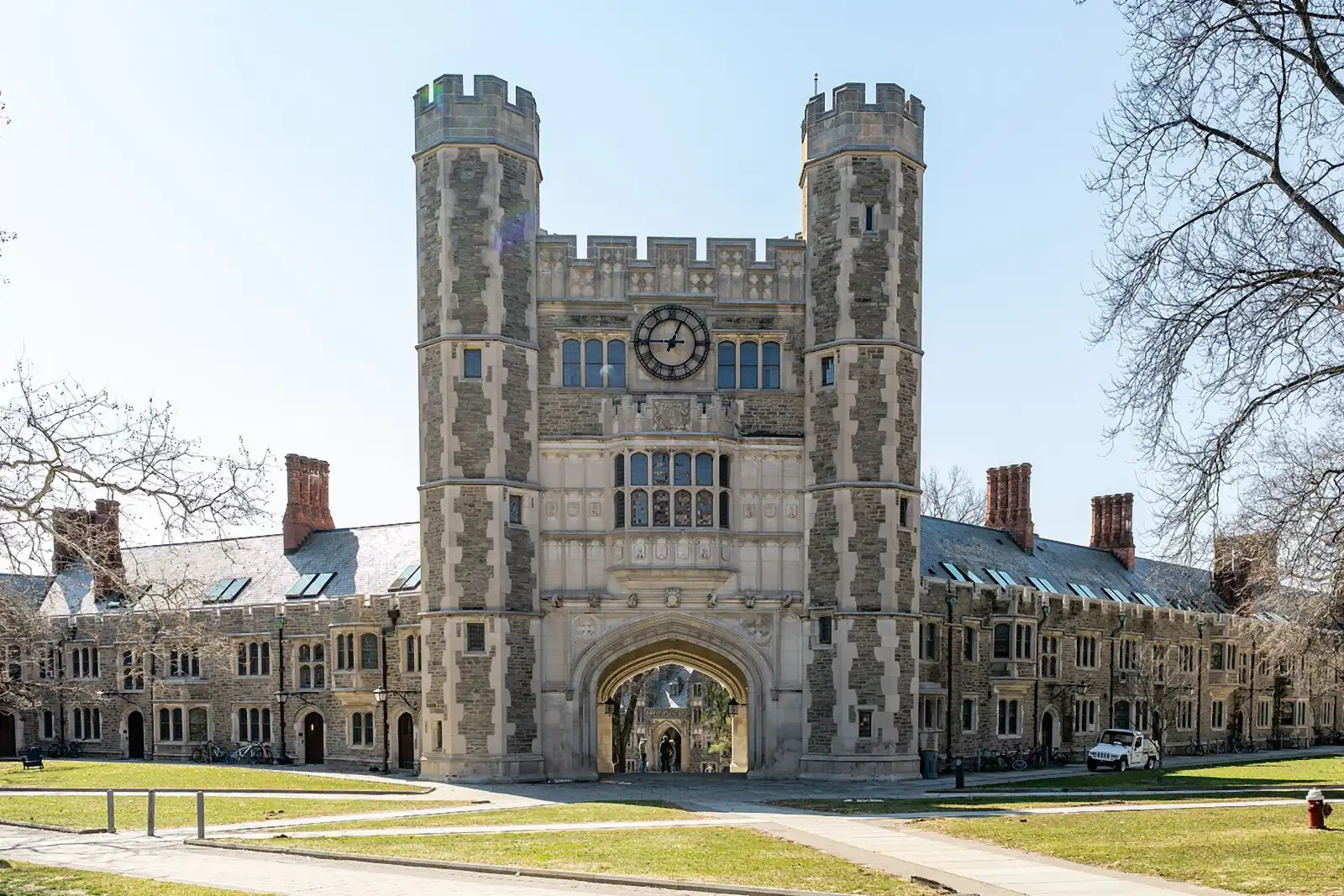

Princeton builds its freshman class in parts, each with targets and none with quotas, according to former officers who spoke to the Daily Princetonian in 2020. They used a homely image for it: a pizza assembled in slices, among them academic strength, talent, diversity and family ties to the university. In practice, an applicant is read against the others competing for the same slice far more than against the whole pool, which changes what counts as standing out.
Most families measure their child against everyone who applies. The comparison that decides the case is narrower, and it rewards a kind of evidence few applicants plan for.
Class-building in former Princeton officers' accounts
A former officer who worked in the office in the mid-2000s made a related point on a public forum. Once places for recruited athletes, legacies and other groups are accounted for, the pool an unhooked applicant really competes in is much smaller than the class size suggests. That is sobering. It is also clarifying, because it tells a student which comparison will decide the case.
Treat both images with care. The forum account is anonymous, and the pizza was offered as a description, which nobody claims is a formula. Since the 2023 Supreme Court decision, race cannot be weighed as a factor, though applicants may still write about how their background shaped them. Practices on legacy and testing have also been shifting across selective colleges, so check Princeton's current policies before you plan around any slice.
When many applicants share your profile, the decisive evidence is what someone who knows you can say that no other recommender could say about anyone else.
Standing out inside your slice
Jim Wickenden, Princeton's dean of admission from 1978 to 1983, described what happened in pools full of athletes. Hundreds of applicants were team captains, and the titles canceled each other out. What separated one captain from the rest was a coach's or outside recommendation that said what was unique about this particular student. The lesson travels to every slice. When many applicants share your profile, the decisive evidence is what someone who knows you can say that no other recommender could say about anyone else.
So identify your slice honestly. A strong unhooked student is competing mostly with other strong unhooked students, and distinction comes from a specific intellectual direction, an unusual talent or a context few others share. The former mid-2000s officer described colleges seeking a few viola players or students from rare regions. Choose recommenders who can describe a moment only you could have produced, give them the material to do it, and make whatever is rare about you visible from the first page.
Princeton builds its class from slices with targets, so know the group you compete in and get a recommender who can say what is unique about you.
Tactic #35
How does this apply to your child’s application?
Book a free call to discuss your child’s application with a Specialist and ask which tactics are relevant to their plans.