Essays
How to write the Princeton essays in senior fall
A former Princeton officer's advice on treating the essays as the part of your application you can still shape in senior fall, while keeping the voice your own.
SourceBased on what we at the Bureau learned from former Princeton admissions officers and deans, speaking on the record.
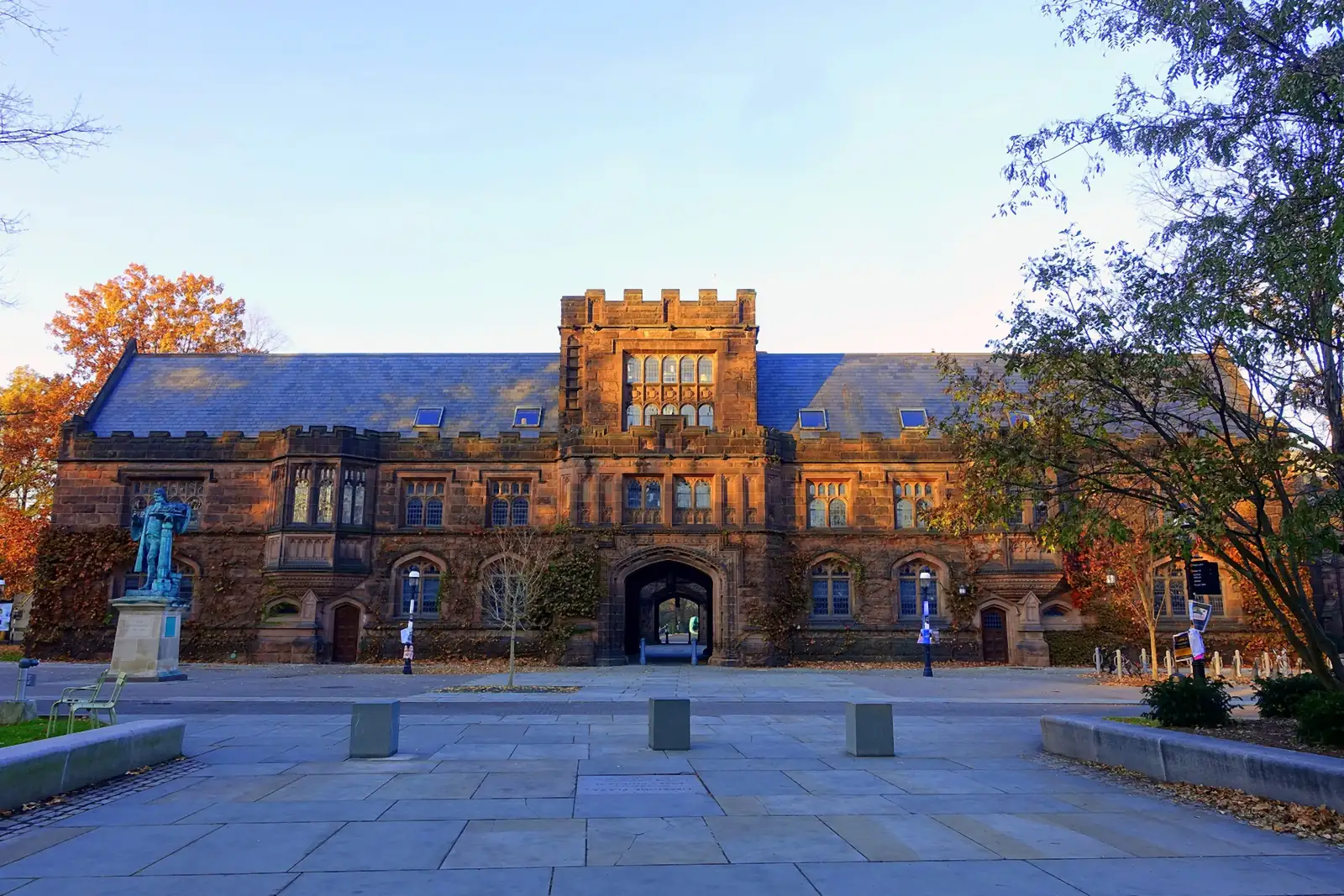

Steve LeMenager, Princeton's director of admission for many years, held that by the fall of senior year most of an applicant's file is already settled, in remarks that have been relayed since. Grades are on the transcript, scores are what they are, and teachers have formed the views that will go into their letters. The essay is the one major piece still open, and he thought that was where a student's creative energy belonged.
Families often hear that and respond in a way the reader on the other side, who has read thousands of student essays, notices at once. He was specific about what that creative energy should produce, and about what it should not.
What to focus on in a senior-fall application essay
He wanted an essay with real intelligence and thought in it, written in the student's own voice. He warned against two common failures, an essay that rebuilds the resume and one that reads like a job interview, and he added that more is not better. Both failures waste the only space in the file where the reader hears you think.
A former assistant director at Princeton described what a good essay does to a reader: it makes them feel something and want to get coffee with you. He also drew a line. Avoid unresolved trauma and essays that end on a cliffhanger, and if you would not tell your own family something, do not tell an admissions reader.
The essay is the one major piece still open, and that is where a student's creative energy belongs.
Keep it yours
The same years of reading that sharpen an officer's taste sharpen their suspicion. A former Princeton officer from the 1990s told the Daily Princetonian that readers become very good at detecting heavy outside help, and that over-coached or rushed essays show. A sudden change of register, sentences no teenager would write, polish that is uneven across the file: each of these stands out to someone who reads thousands of student essays.
So spend the fall well. Start early enough that the essay can be rewritten more than once, which is where rushed essays fail. Take feedback on whether a draft is clear and whether it sounds like you, and keep every sentence your own. When it is finished, proofread it several times and then read it aloud, as a former Princeton officer of six years advised. Reading aloud catches errors and also catches the lines that do not sound like you. The rest of your file was written over three years. This page is written in a few months, and it is the one place a reader hears your voice.
By senior fall the rest of the file is set, so put real effort into an essay that sounds like you, since readers detect heavy outside help.
Tactic #84
How does this apply to your child’s application?
Book a free call to discuss your child’s application with a Specialist and ask which tactics are relevant to their plans.