Essays
How to write about community service in UC essays
How to go beyond counting service hours in UC personal insight answers by explaining why you took part, what you did and what the experience taught you.
SourceBased on what we at the Bureau learned from former UCLA admissions and scholarship readers.
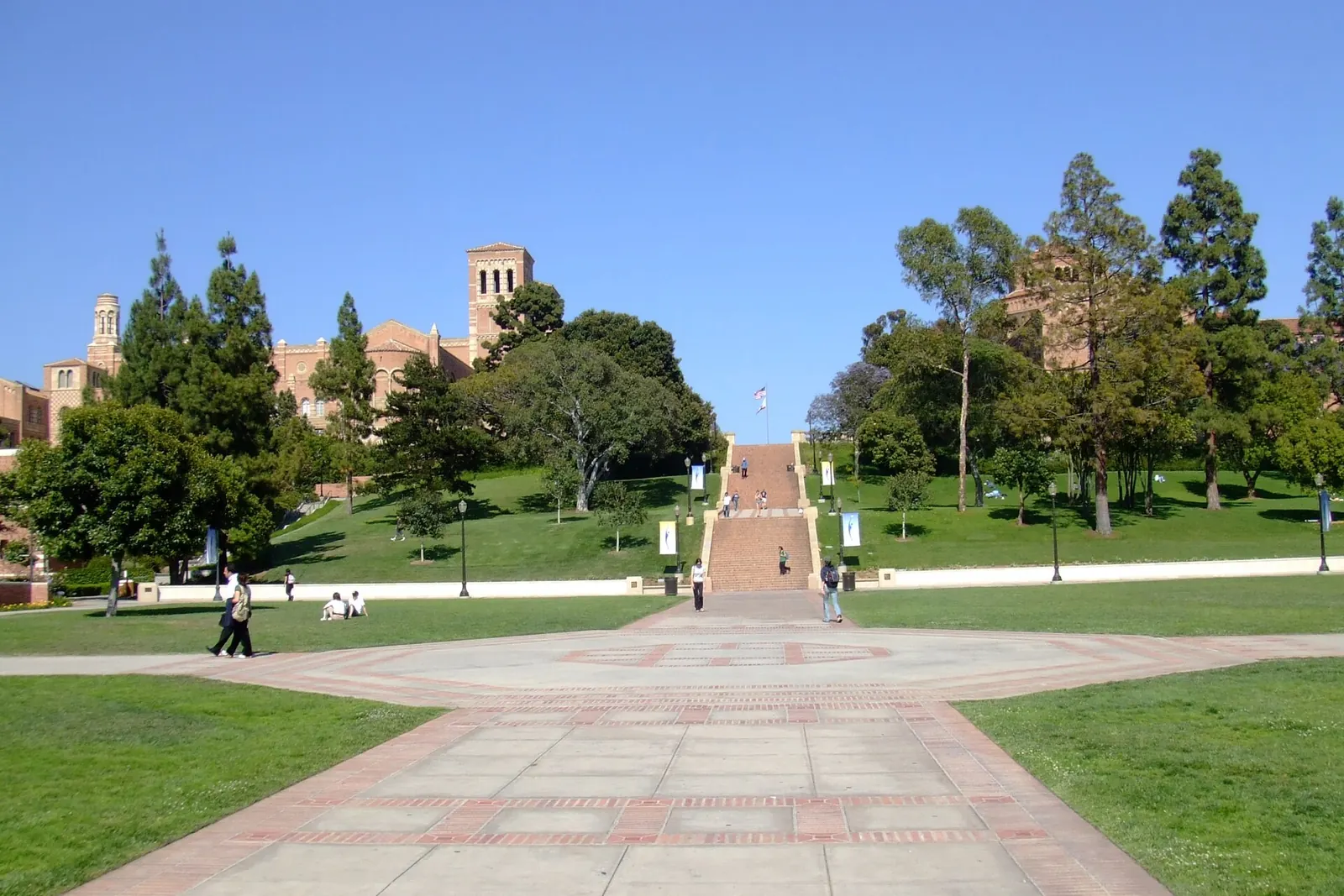

A former reader for UCLA's admissions office told applicants, in a short talk, that a total of service hours means very little on its own. A student lists a hundred hours at a hospital and assumes the number speaks for itself, but to a UCLA reader it says only that the hours happened. The most memorable files, in that reader's experience, came from students who were honest and willing to be a little vulnerable on the page.
Most applicants never get there. They report the hours, describe the tasks and close with a sentence about how much they grew, which reads as complete to the family and empty to the reader. A second former UCLA reader named what was missing, and called it the least discussed part of a personal essay.
How to show insight from community service
The first reader's full point was that a total of service hours means little until the reader knows what it achieved and what drove you to do it.
A former UCLA scholarship reader, who later spent years coaching science students through UC applications, calls insight the least discussed part of a personal essay. Most drafts stop at what happened. The strongest ones go one step further, to what the writer now understands that they did not understand before.
Insight is easy to fake and easy to spot when faked. I learned the value of hard work is a conclusion anyone could reach without having done anything. Real insight is specific enough that only you could have arrived at it. A student who spent two summers in a hospital pharmacy might realize that most medication errors she saw came from handwriting and handoffs rather than ignorance, and that she cares more about the design of systems than about any single patient interaction. That is a thought a reader can remember, and it points toward a major.
Real insight is specific enough that only you could have arrived at it.
Where it goes
The personal insight answers carry most of this weight, and the name is a clue to what the prompts want. Former UC readers suggest keeping the story short and spending most of each answer on what the story reveals. The activities section has less room, but one clause of motive can change how an entry reads: began tutoring after watching my brother fall behind in algebra tells the reader something no hour count can.
A drafting habit
After you write a paragraph about something you did, add a sentence that begins: what I did not expect was. Then delete the opening if the sentence is better without it. Students often find their real insight hiding in that sentence, after the story they thought was the point.
UCLA readers want the motive behind your activities and the insight you took from them, so spend most of each answer on what you now understand.
Tactic #72
How does this apply to your child’s application?
Book a free call to discuss your child’s application with a Specialist and ask which tactics are relevant to their plans.